A.D. McLain

A.D. McLain writes across a variety of genres, most notably in paranormal romance, and has seen both the indie and traditional sides of publishing.  She discusses her latest work, Suriax, and explains the variety of direct marketing tools she uses to reach new readers.

1. Pretend for a moment I’m a reader looking for my next book.  Pitch me your book in five to ten sentences.

If it was legal to kill, would you?  Welcome to Suriax, a city where killing is accepted as normal and laws mean everything.  Kern must grapple with questions of morality, destiny and a queen who wants him dead.  Throw in a pact with a god and you have an event that will change the people of Suriax forever.

2. What motivated you to become an indie writer?

I love the freedom to set my own prices, run my own contests and free promotions, design my own cover and have control over when the book is released.  Whether you self-publish or go through a publisher you have to do almost all your own marketing.  The only difference is how much you get paid for your work.

3. Have you been traditionally published?  Why or why not?

I went through publishers and agents for my first two books.  That experience was disappointing.  The marketing my publishers did for me was miniscule, and I was constantly sent emails on how if I just paid them x amount of dollars they would do some additional marketing.  After six years of doing all my own networking and learning everything as I went along, I met other authors who went the self-publishing route.  The free services provided by sites such as Smashwords and Createspace are a far cry from the vanity publishers of the past.  There isn’t as much of a stigma now in self-publishing.  I don’t think I will ever go back to the old way.  I learned a lot from my other publishers, and I don’t regret the experiences, but I am glad I have another option.
Continue reading

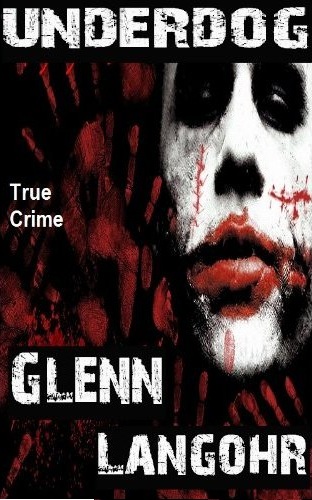
Glenn Langohr

His time in prison, and the life he turned around afterwards, form the basis of Glenn Langohr’s writings.  Learn how he got all seven of his books in the top 100 of their categories and what you can learn by studying other authors.

1. Pretend for a moment I’m a reader looking for my next book.  Pitch me your book in five to ten sentences.

Curious about the drug war, gangs, or the atmosphere in the hardest core prisons in California?  I take you on a journey from a runaway childhood, to addict and drug dealer, into the drug war for an inside look at Mexican cartel wars, corrupt narcotic detectives and a California Prison Union bent on breeding bigger criminals.  Here’s a couple of reviews for my crime thriller, Underdog (Prison Killers Book 4).

“Ex-con Langohr can describe the hell of life inside better than any other writer.  His vivid passages on just surviving in prison describe a nightmare we’d rather not know about.  He compares the plight of abandoned dogs, locked and horribly mistreated in rows of cages in animal shelters, to California prison inmates, locked and abused in the same cages.  Not a book for the faint of heart.  We who sleep peacefully in our beds at night, unaware of the savagery going on behind prison walls, can only thankfully say: ‘There, but for the grace of God, go I’.”  John South, American Media

“With lazer-like precision Glenn Langohr lays bare the festering under-belly of our criminal justice system in a driving, graphic narrative that somehow finds the humanity in this most inhuman setting.” Phillip Doran, TV Producer and Author

2. What motivated you to become an indie writer?

My first novel Roll Call was written from prison and when I got out, I read the Publishing Guide for Dummies and studied a lot of other self-publishing guides.  What I learned excited me to the point I went with Amazon and Createspace to put it in print and on the Kindle.

3. Have you been traditionally published?  Why or why not?

For all seven of my books, I’ve gone indie.  I love the control and freedom of being able to lower the prices, personally engage with readers, and not have to give most of the profits away.  I have published a few articles about the drug war and prison conditions in magazines to build up the expert status on the subjects.

Continue reading

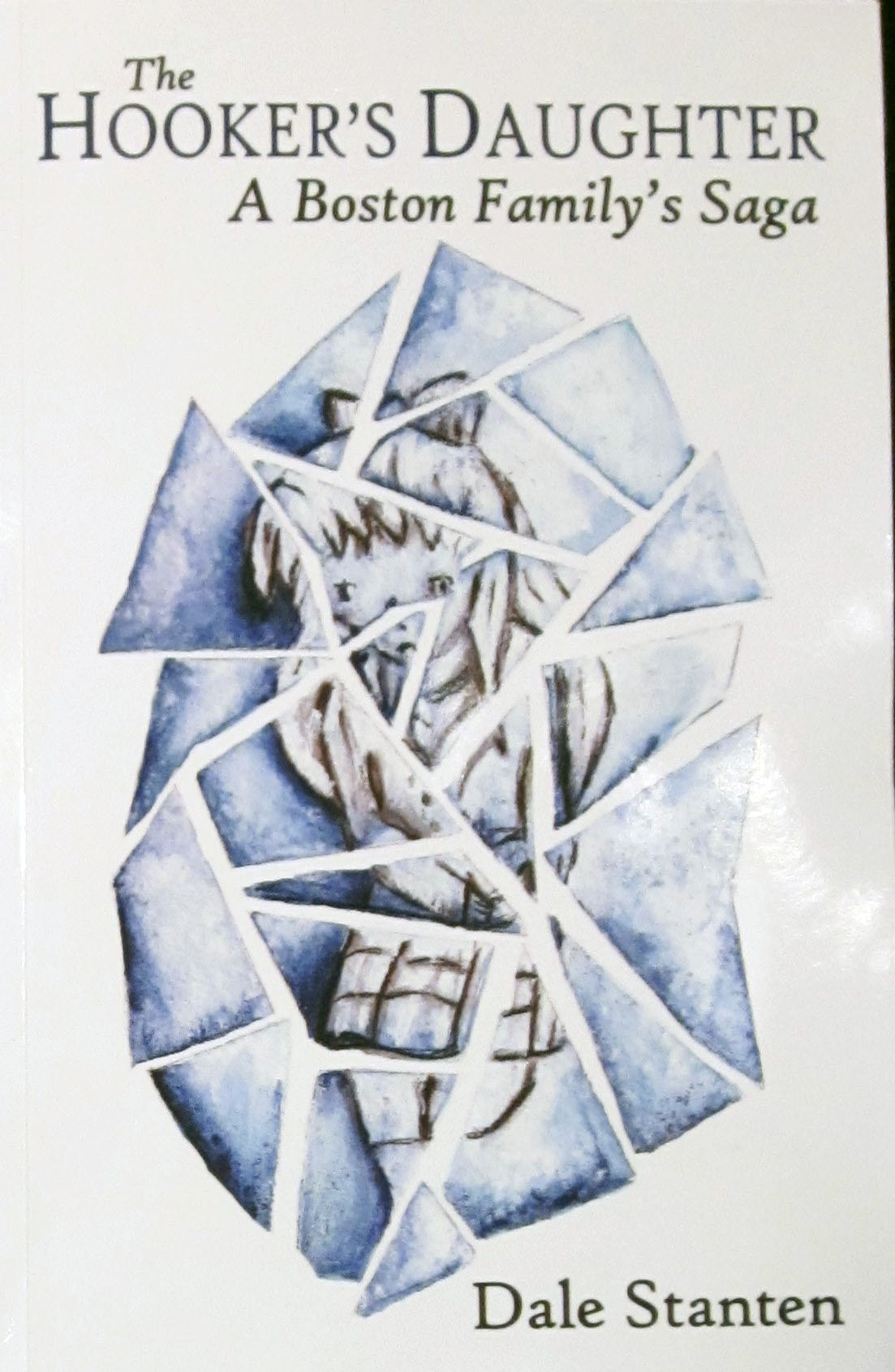
Dale Stanten

Dale Stanten reflects on her dysfunctional upbringing and her determination to overcome it with her book, The Hooker’s Daughter.  Learn more about her favorite marketing technique and the most important thing she’s learned about self-publishing.

1. Pretend for a moment I’m a reader looking for my next book.  Pitch me your book in five to ten sentences.

In 1950s Jewish Boston, my mother established a home-based business as a prostitute to remedy her husband’s inability to provide for his family.  At age six, I was answering the front door for johns.  Kids were forbidden to play with me and even the Girl Scouts asked me to leave.  What a terrible irony, in a family with so many strange and twisted realities, that my gay sister, “coming out” at age 16, was the only thing my parents focused on as contemptible.  My memoir is a story of survival driven by my ability to extract positive qualities from a dysfunctional life.  My unconditional love for my mother challenges the reader to examine beyond that which is socially acceptable and identify that which is universal.

2. What motivated you to become an indie writer?

I started writing this book 12 years ago so my children would understand their mother’s background.

This book began with my efforts in a writing group which met in the back room of a local bakery-café.  The group was both fascinated and shocked by my story as it emerged, and eagerly awaited each new installment.  I was touched by this unselfish outpouring of interest and found welcomed motivation in their support.  It was a difficult decision to expose myself by publishing this memoir.  What would people say?  Am I being foolish?  Why am I doing this?  I had periods of doubt and anxiety and many sleepless nights.  However, making my private life public finally devalued the impact of the gossip and embarrassment and the baggage I did not pack.  No nore secrets!

3. Have you been traditionally published?  Why or why not?

Today, a traditional publishing house requires the author to do the majority of the marketing and publicity.  Unless you have a platform and your name is Clinton or Bush, it is difficult to obtain any assistance.  Ultimately, I decided to self-publish.  This gave me more control of the process.

Marketing can absorb a great deal of time and effort.  However, I love marketing!  I built my original business from nothing and understand that personal contact and follow through are very important.

Continue reading

Ron D. Voigts

1. Pretend for a moment I’m a reader looking for my next book.  Pitch me your book in five to ten sentences.

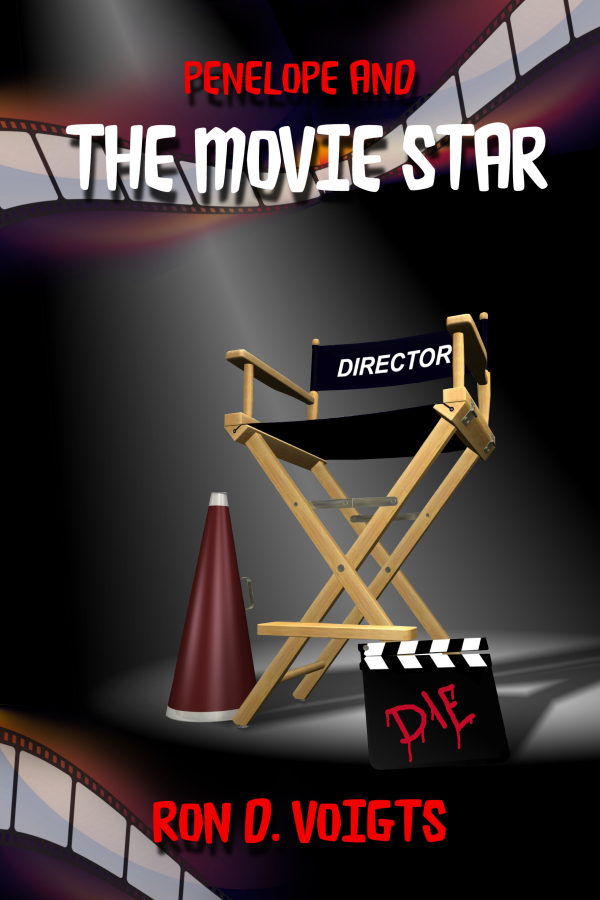
In Penelope and The Movie Star, Marvel Movies comes to Penelope’s school to shoot a motion picture against the backdrop of the old Windorf Hotel that now houses the school.  She sneaks onto the set and watches a scene being filmed. Famous actors Priscilla Young and Clarence Dodd star in the movie and Penelope gets to see them up close.  Regrettably, she also sees a spotlight fall on the director and kill him.  Penelope claims she had her eyes shut when it happened, but the police think she may remember something.  Unfortunately for her, the killer also thinks she may recall something.

A Penelope mystery story (there are two others) can be enjoyed by tweens and adults alike.  The stories are laced with humor while presenting a whodunit that will leave you guessing until the end.

2. What motivated you to become an indie writer?

I had two books with an agent for a number of years.  While she got close calls, she never landed a publisher.  I believed in my work and, by mutual agreement, I withdrew the books.  I have no regrets.  Before, I waited for the big break, wondering if I it would ever come.  As an indie writer, I can hardly wait to publish the next book.

3. Have you been traditionally published?  Why or why not?

I had a few short stories with a literary magazine many years ago. The Penelope mystery series are my first books published.

4. How have you liked self-publishing so far?

It’s great!  Self-publishing is a lot more fun than waiting around for a publisher.  And look at all the people who have self-published and later found a traditional publisher.  The experience gained cannot be matched.

Continue reading

Joyce Godwin Grubbs

Joyce Godwin Grubbs has a knack for turning real life tragedy into fiction with her set of suspense novels.  She explains why working in groups and with writers’ co-ops has been her chosen method of marketing.

1. Pretend for a moment I’m a reader looking for my next book.  Pitch me one of your books in five to ten sentences.

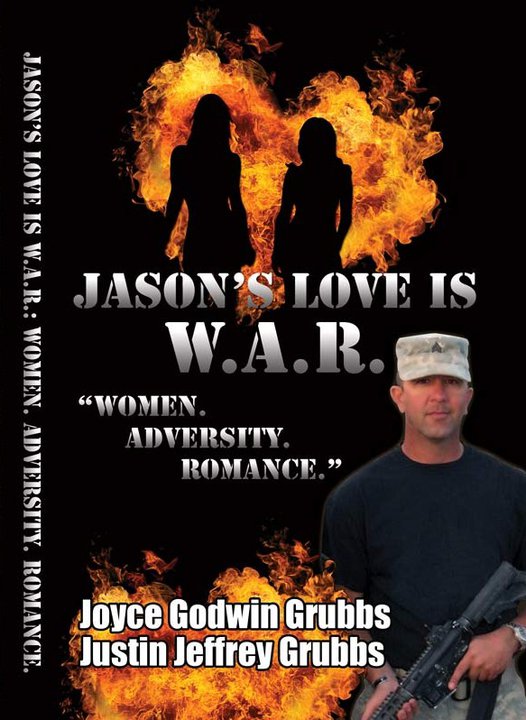
Jason’s Love is W.A.R. (Suspense): Sgt. Jason Hammer returned to the Army to serve his country believing his best friend, Sgt. Kendall Bruce, would continue in the Army as well: the two were to be ‘lifers’.  He was stunned when his re-upping party before deployment to Afghanistan coincided with her going away party.  Her plan: to go into hiding to avoid prosecution for a felony.  The saga of military family and personal family are in conflict as the soldiers reveal the good, bad and sacrificial in the lives of today’s military.  The camaraderie, love and loss of today’s soldiers is epitomized by Sgt. Hammer and his example of what is best in our volunteer army and all that it means to be “Army Strong” – even with feet of clay.

2. What motivated you to become an indie writer?

My mistake was saving my body of work for retirement and thinking publishing would be my project.  I soon found that the interested publishers had date projections for my novels (seven at that time) that would extend until I was possibly senile or dead!  I also had control issues with editors who when told the novels contained real cases fictionalized into suspense books (to protect identities) would tell me after reading the content, “This would never happen.”  I would have to remind them they were “real cases fictionalized, so it had already happened.”

3. Have you been traditionally published?  Why or why not?

I withdrew my works from consideration to self publish; then later independently published through an organization.  “The Trula Godwin Project” puts high risk victims underground and maintains an underground mail system for victims.  It is a good fit as I write about strong women and their issues and this organization was begun posthumously to recognize the life of a pioneer policewoman who went from victim to survivor.

Continue reading

Barry Finlay

Barry Finlay has turned the adventure of a lifetime into Kilimanjaro and Beyond, available on Amazon and other platforms.  Barry has done book signings, presentations, and used social media – among other techniques – and shares his thoughts here.

1. Pretend for a moment I’m a reader looking for my next book.  Pitch me one of your books in five to ten sentences.

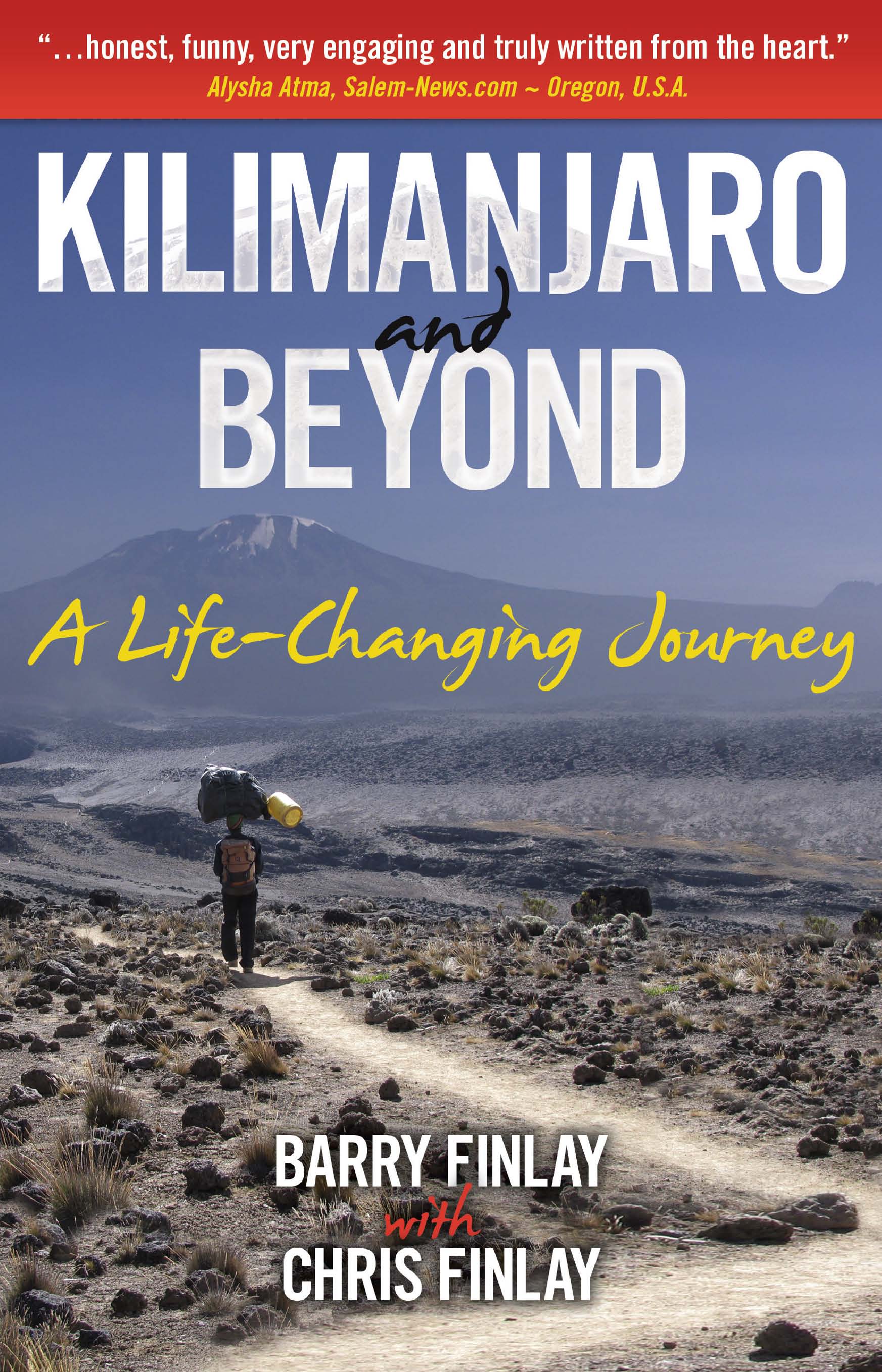
Kilimanjaro and Beyond is a true life adventure about my journey, at age 60, from the couch to a mountain top and beyond with my son.  It describes the mental and physical challenges of scaling one of the world’s seven summits.  But it also describes my family’s work to use the mountain as a platform to raise enough money to build a classroom and drill a well in one of Africa’s poorer communities.  It is the story of the satisfaction one can achieve by helping oneself and others.

Kilimanjaro and Beyond leaves us with two messages.  The first is that it is never too late to pursue a dream.  The second is that every mountain top we face is within reach if we just keep climbing.

2. What motivated you to become an indie writer?

I realized when I started to make presentations about my journey after we returned that I had a story to tell that was interesting and inspirational for people.  I decided that it was a story waiting to be written and that I wanted to write it.

3. Have you been traditionally published?  Why or why not?

I have not been traditionally published.  I sent a few feelers out but I really didn’t pursue it seriously after reading about other author experiences.  I wanted the book to come out as soon as possible so the self-publishing route seemed to be the way to go.

4. How have you liked self-publishing so far?

It has been a good experience although I think every self-published author will tell you that writing the book is the easy part.  Making people aware of it is much more difficult.

Continue reading