Katie Epstein

Katie Epstein found confidence in indie publishing and has learned the industry quickly.  Read about her experiences with traditional publishers and why self-publishing is a better fit.

1. Pretend for a moment I’m a reader looking for my next book.  Pitch me your book in five to ten sentences.

The Arranged Marriage is a romantic adventure set on the mythical Isle of Centurias.  It follows the story of Princess Rohesia who is fuming when she finds out her father has arranged her to marry the illegitimate son of a neighboring king, revoking the promise that she could choose her own husband.  Upon attempting to flee the island to seek freedom, Rohesia doesn’t expect to be saved by the very man she is running from, Sir Ison Mondar of Dondayas.  As they unite in their marriage, Ison and Rohesia have to find a way to work together to rid the island of a rebel group who is becoming more daring each day in its attacks.  They must learn to take a chance not only on their union, but on each other as the
fate of Centurias rests in their very hands.

2. What motivated you to become an indie writer?

When you have finally put the last edit on your manuscript, there is a need for other people to read your story and share in the character’s experiences.  It can be frustrating waiting for that one letter that will take you to the next level via the traditional route, and indie publishing gives you the opportunity to put yourself out there to dedicated readers who will give you a true critique.

3. Have you been traditionally published?

I have only sent my manuscript off to a dozen publishers, because I put too much of myself into the process and took all rejections personally.  No matter what people tell you about it all being part of becoming published, it can still hit you hard if you let it, and unfortunately I let it.  Through this learning curve I have realized that no one will take you seriously as a writer if you don’t take yourself seriously first, and to do that you have to have confidence in your capability.  Going through the indie publishing route has given me my confidence, so I can try the traditional publishing route again in the future as I learn more about the industry.
Continue reading

Kate O’Mara

When Kate O’Mara realized that the book she was looking for didn’t exist, she decided to write it herself.  Read about her outreach efforts and her upcoming projects.

1. Pretend for a moment I’m a reader looking for my next book.  Pitch me your book in five to ten sentences.

Inspiration: Write Every Day is a motivational book for writers and people who want to write.  Formatted to the calendar, each page/day offers quotes from famous authors, thoughts about writing, affirmation/motivation statements and writing prompts.  The book allows for ample annotation.

2. What motivated you to become an indie writer?

Originally, I just wanted to buy this book.  I searched book stores and then inquired with publishers and was told that there wasn’t anything like it.  They didn’t feel there was an audience.  However, when I spoke with other writers and my mentor, everyone was very excited about the project.

3. Have you been traditionally published?  Why or why not?

I’ve been published in print (magazines and newspapers) and online for many years with a byline and as a ghostwriter.  Some time ago, my first book, Elijah’s Dilemma, was contracted; but within a year the publisher went out of business.  It became a legal mess with regard to the rights.  Since that time, the industry has been downsizing.  My understanding is that it is not likely a traditional publishing house will pick up a writer without some unique quality, i.e. audience, already in place.

4. How have you liked self-publishing so far?

Self-publishing has been wonderful and intense.  There are many skills needed to publish a book.  Thankfully, I have some great friends who helped and supported this project through the process.

Continue reading

Ron D. Voigts

1. Pretend for a moment I’m a reader looking for my next book.  Pitch me your book in five to ten sentences.

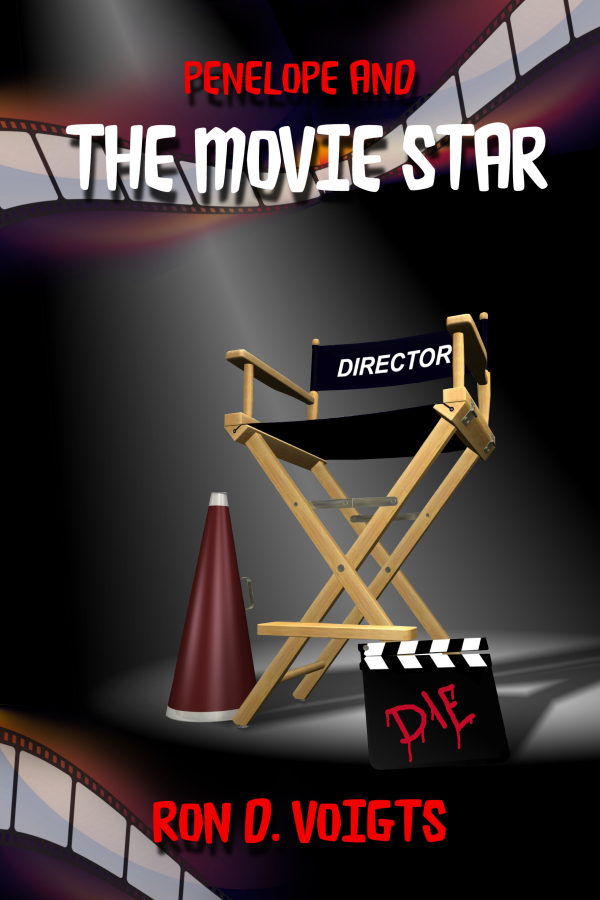
In Penelope and The Movie Star, Marvel Movies comes to Penelope’s school to shoot a motion picture against the backdrop of the old Windorf Hotel that now houses the school.  She sneaks onto the set and watches a scene being filmed. Famous actors Priscilla Young and Clarence Dodd star in the movie and Penelope gets to see them up close.  Regrettably, she also sees a spotlight fall on the director and kill him.  Penelope claims she had her eyes shut when it happened, but the police think she may remember something.  Unfortunately for her, the killer also thinks she may recall something.

A Penelope mystery story (there are two others) can be enjoyed by tweens and adults alike.  The stories are laced with humor while presenting a whodunit that will leave you guessing until the end.

2. What motivated you to become an indie writer?

I had two books with an agent for a number of years.  While she got close calls, she never landed a publisher.  I believed in my work and, by mutual agreement, I withdrew the books.  I have no regrets.  Before, I waited for the big break, wondering if I it would ever come.  As an indie writer, I can hardly wait to publish the next book.

3. Have you been traditionally published?  Why or why not?

I had a few short stories with a literary magazine many years ago. The Penelope mystery series are my first books published.

4. How have you liked self-publishing so far?

It’s great!  Self-publishing is a lot more fun than waiting around for a publisher.  And look at all the people who have self-published and later found a traditional publisher.  The experience gained cannot be matched.

Continue reading

Mike Maher

Mike Maher crafts fiction from his own real life experiences with The Colour Party – A Novel, about a young Irish-American political activist.  Mike discusses why the self-publishing route was a much better fit for his book.

1. Pretend for a moment I’m a reader looking for my next book.  Pitch me your book in five to ten sentences.

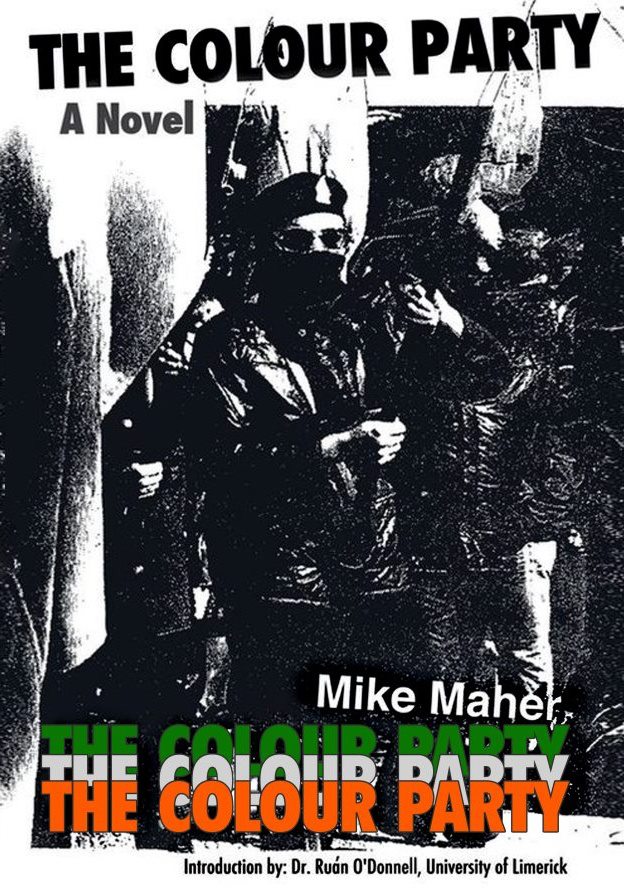
My first book, The Colour Party – A Novel, is not limited to one genre.  It’s an autobiographical novel set mostly in Dublin and New Orleans a few years ago.  It has the Northern Irish war as a backdrop.  And it shows an average young American who goes there planning to write a book but ends up being drawn into the conflict.  Nick Marr, the protagonist, also travels back to America on some risky business.  The bulk of the story is taken from real life.

2. What motivated you to become an indie writer?

I always dabbled in writing.  One reason I quit college and traveled around getting involved in things I saw was to have something to write about!  But the war that I thought would last five years tops dragged on much longer.  By that time I lost interest in commercial writing.  I just wanted to write a sort of memoir for my family.  But Amazon’s CreateSpace seemed too good to pass up.  Since self-publishing last August I’ve gotten positive feedback.  So I decided to try reaching out to more readers.

3. Have you been traditionally published?  Why or why not?

No, I have not been published before.  Some parts of my story were too controversial.  So I never was ready to go public, and didn’t have the time anyway.

4. How have you liked self-publishing so far?

My experience with self-publishing has been quite positive.

Continue reading

Leon Puissegur

Action/adventure writer Leon Puissegur is the author of The Oil Man whose absence of an agent motivated him to try self-publishing instead.  Read about Leon’s experience with social media marketing and the drawbacks of self-publishing.

1. Pretend for a moment I’m a reader looking for my next book.  Pitch me your book in five to ten sentences.

Wow!  How about them oil prices!  Check this out, a new book about oil and greed!  This book explores some very possible ideas and it is now fiction, but so was Jules Vern’s trip to the moon and the United States did that!  This book explores possibilities with gun fights, chases, and all the action/adventure one would like!

2. What motivated you to become an indie writer?

I just love to write, it makes me feel good to know that maybe some of my fiction would one day be true and with my other book, it makes me glad to be able to place the truth out there for people to explore when they look back on history.

3. Have you been traditionally published?  Why or why not?

I have tried to get published by the big houses only to be turned down numerous times.  I never had an agent and most big houses want an agent to discuss the sales of any new book.

4. How have you liked self-publishing so far?

It is kind of troubling since it is hard to really “push” the sales of our books.  On the other hand, I know what is being sold and where they are being sold.

Continue reading

Moushumi Chakrabarty

Moushumi Chakrabarty is a short story writer who is working hard to build a web presence.  Read about her use of free book promotions and why she feels it’s the best marketing method she’s used.

1. Pretend for a moment I’m a reader looking for my next book.  Pitch me one of your books in five to ten sentences.

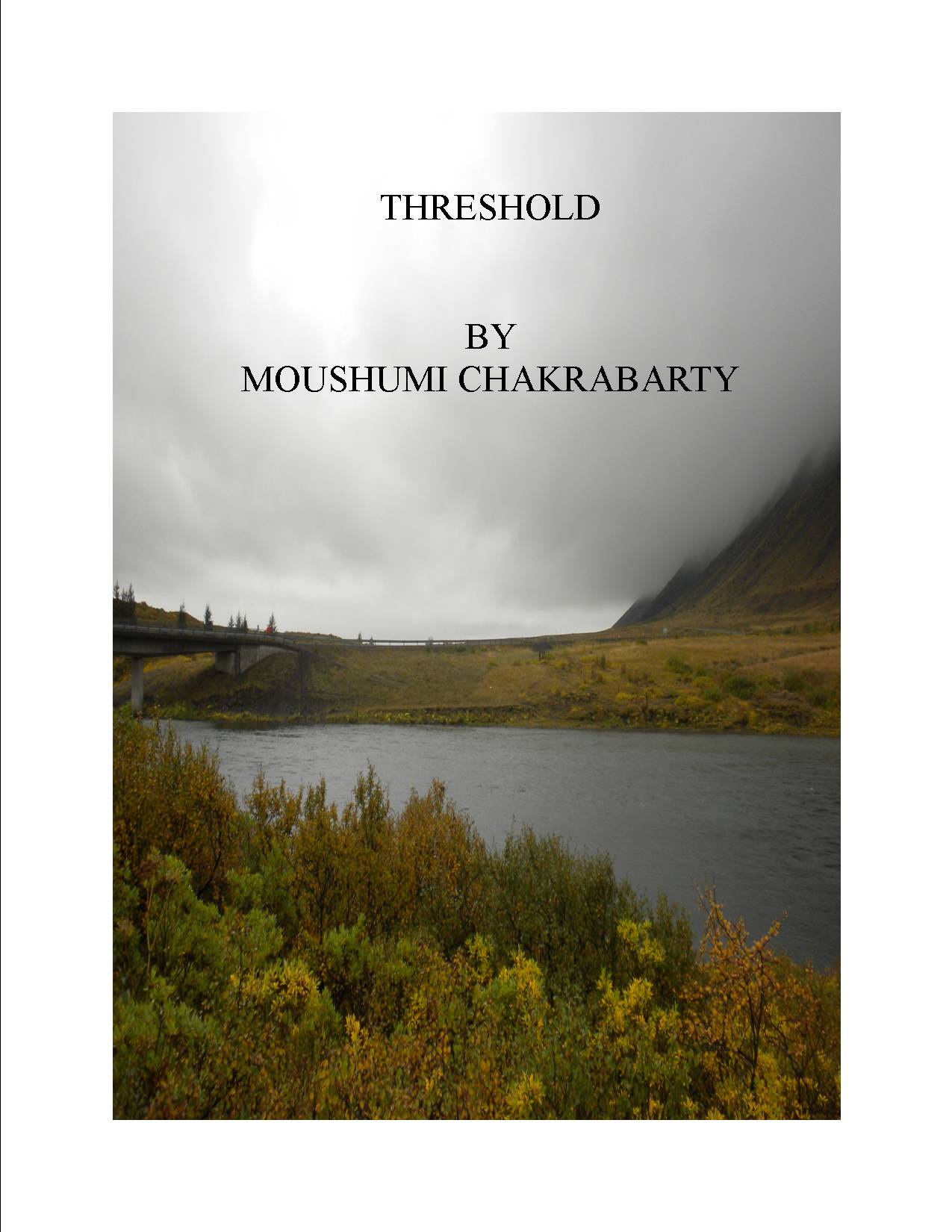
You love stories, right?  It’s great that we met.  Try my e-book, Threshold.  It’s a collection of six stories about people and how they navigate through life.  Meet some of the protagonists – a child aged 12, a woman whose daughter is missing, a man trapped in a marriage thinking of the unthinkable, a childless woman, another embarking on a journey of self discovery.  Echoes of their predicaments resound in your life, too.  Try it!

2. What motivated you to become an indie writer?

I have been writing for a long time, but found it increasingly time-consuming to convince a publisher to take me on for a new project.  I decided to try going indie since I see it is the way of the future.  What I basically want is feedback, and the idea that my stories are actually being read instead of languishing in a file on my computer provided a strong impetus.

3. Have you been traditionally published?  Why or why not?

Yes, I have been traditionally published.  My two books are non fiction – my subject is the women’s movement in Canada and its main players.  They are called, Fighting for women’s rights – The extraordinary adventures of Anna Leonowens and Champions of women’s rights – Leading Canadian women and their struggles for social justice.  Personally I feel fiction has a greater chance of success in the indie publishing world.  But it’s early yet, so we’ll see.

Continue reading

Alan Dawe

Alan Dawe’s book, The God Franchise, was a finalist in a New Zealand book competition, and he’s been busy marketing it ever since.  Though new to self-publishing he’s already learned a lot – and shares some here.

1. Tell me briefly about your book – what is it about and what motivated you to write it?

The God Franchise is literally a theory of everything.  I have always believed that everything in existence must be able to be explained in a cohesive way, so the idea of writing such a book was very attractive.

After an earlier stretch of writing in 2003, and a seven year break while I studied a number of healing modalities, I began again on a specific book in February 2010. After six months of work on the book, I realized that The God Franchise needed to be written first.  So I started again, employing some of the previous material, and focusing on the overall foundation of the spiritual and life truths I had gleaned over the past 50 years.  There were many parts of the book where I did not know where I was heading or what I needed to write, so reading what I had written became an interesting learning process for me too.  Often, I would say to myself, “So that’s how it works!”  I can honestly and humbly say that a lot of the work was inspired from beyond what I consciously was aware of before I started.

The God Franchise is about God, the universe and why things are as they are.  It is about you and me, and the purpose of our lives.  It is about our Higher Selves and our Lesser Selves (The Ego).  The book shines the light of a new perspective on the beliefs that we have carried from the past, and I have presented them in a way which aims to reconcile the major beliefs held around the world.

2. How have your sales been?

At this point I honestly don’t know as the book is only a month old.  Having said that, I have had an extremely positive response from personal sales, and from bookshops in Auckland (NZ) that have picked up the book.  I feel that as people become aware of the book, they will buy it.  There is something in it for everybody, and something really huge.

3. Your book did very well in a writing competition recently. Tell me more about that.

Yes, the book was a finalist (4 out of 57 entries) in the Ashton Wylie Trust Unpublished Manuscript Award 2011.  I had only completed it a few days before the deadline and it was proofread by a friend.  I have since had it professionally proofread and copyedited, designed by a book designer, and have restructured Part One.  The end result is stunning, and I will enter it in the Published Book part of the contest this year, with the intention of winning the top award!  The Award is prestigious and is specifically in the Mind-Body-Spirit genre and offers one of the highest prizes in the country for a book award, $10,000.

Continue reading

Paul West

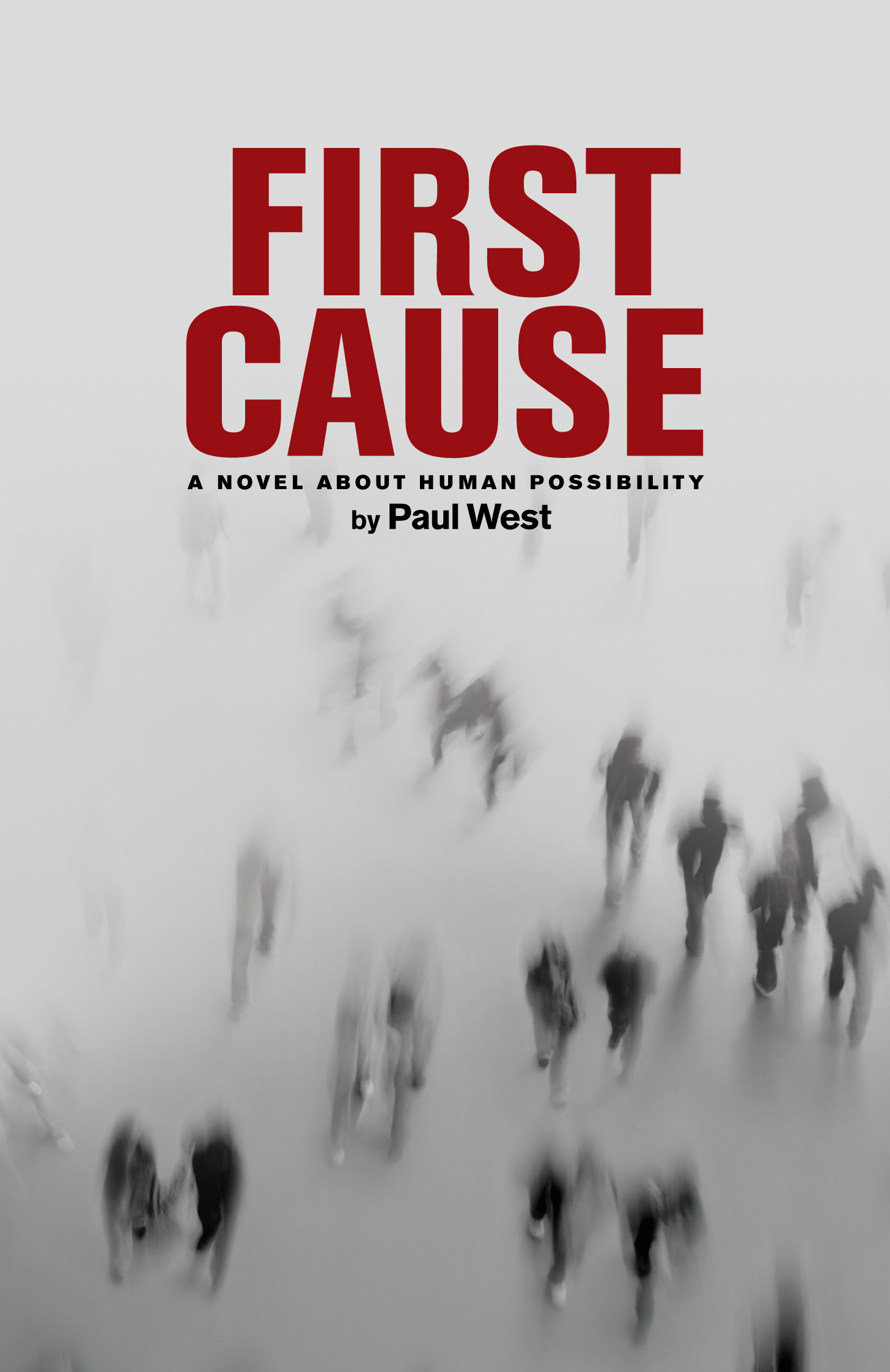
Paul West saw the self-publishing revolution coming in the 1990s as music was increasingly becoming digital.  He discusses his book, First Cause, and the numerous marketing methods he’s used to reach his audience.

1. Pretend for a moment I’m a reader looking for my next book.  Pitch me your book in five to ten sentences.

Journalist Adam Grey has just woken up in the hospital, a week after the world was thrown into chaos by a battery of explosions.  A woman named Angela, whom he recently met, might have something to do with the attacks.  As the truth emerges, it will challenge their conventional assumptions about what it means to be human.

First Cause: A Novel About Human Possibility is a thematically driven speculative thriller with a strong female protagonist.  It appeals to a broad range of readers, including history buffs and sci fi fans.

2. What motivated you to become an indie writer?

Back in the 90s, when I first had the idea of actually trying to publish somewhere down the line, I noticed what was happening in the music industry; I had the feeling the publishing industry would begin to go in a similar direction and I looked into the ways that that might happen.  I had a decent social network in place, so I set things up by building a mailing list while I was working on the book; I sent out excerpts and occasional updates, and I threw a ‘completion party’ when I wrote the last word on the last page – before all of the post edits, though.  I was just celebrating the fact that the story was complete!  I celebrated with friends, family, acquaintances, and all the people who’d provided critical feedback and moral support during the writing process. I took a year away from it, just to decompress – then I began the editing process, my own A-Z edit, and then some fantastic editing done by people with great minds and sharp eyes.

3. How have you liked self-publishing so far?

I’m glad I did it!  Partly because I’ve sidestepped the machine politics of the ‘big six’, but also because I feel real ownership over my product.  I have to say, though, it’s a lot of work.

Continue reading

Cindy Sprigg

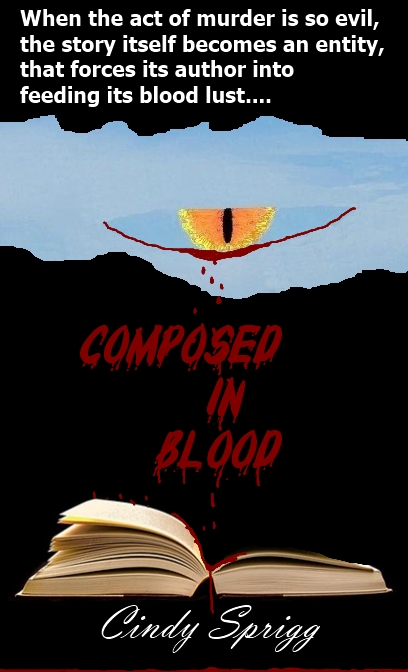
Cindy Sprigg writes in the horror and science fiction genres and chose self-publishing because of the free time it afforded her.  Read how it’s worked for her so far.

1. Pretend for a moment I’m a reader looking for my next book.  Pitch me one of your books in five to ten sentences.

I would recommend reading my novel “Composed in Blood”.  It is a horror/dark fantasy story that includes suspense, murder, mayhem and romance.  There are several intertwining plot lines that twist and turn until the final climax, which catches most readers by surprise.  Reader reviews have been very positive.  If you like a story with plenty of action and graphic violence this one is for you.

2. What motivated you to become an indie writer?

I got fatigued spending more time sending out query letters than I spent writing.

3. Have you been traditionally published?  Why or why not?

I have no idea, really.  Agents seem to have specific types of stories they can sell, and if you don’t fit that profile, it seems you go direct to the slushpile.

4. How have you liked self-publishing so far?

It’s a fair amount of work, but you can see the results of your labor.  I think most people would prefer to be traditionally published and concentrate on writing, but this is an acceptable alternative that allows people to read my stories.

Continue reading

Robert Szeles

Robert Szeles wears many hats, including music producer, graphic designer – and, of course, author.  Robert discusses the hard work that goes into self-publishing and offers bountiful advice for the new writer just starting out.

1. Pretend for a moment I’m a reader looking for my next book.  Pitch me your book in five to ten sentences.

When a monogamous guy and a polyamorous gal are brought together by two of the least respected gods of Los Angeles, Love and Romance, they find themselves on the bumpy five-lane freeway to love, contending with a vengeful ex-girlfriend, a dominatrix boss, an irresistible TV star, an egomaniacal TV producer, Hollywood backstabbing, and the greatest obstacles of all: themselves!  A sexy romantic comedy set in Los Angeles, where even gods are only as good as their last gig.

2. What motivated you to become an indie writer?

The state of the publishing industry is in tumult and I thought I had a better chance at publishing myself.  Then if I have some success, I can always approach the major industry later with a successful track record, if that seems worth doing.

3. Have you been traditionally published?  Why or why not?

I have had a couple short stories published.  I haven’t pursued traditional publishing beyond that for the above reasons.

4. How have you liked self-publishing so far?

Liked?  It’s hard.  I imagine any kind of publishing is hard.  There are things that are wonderful, like the freedom and creative control, and there are things that are terrible, like the long work hours, lack of budget and lack of support from a company and its resources.  I can’t say I’ve liked it.  I like being a writer and author.  The publishing part is necessary if I want to be read, which I do.  But some of it is fun, like creating the book covers, which I do myself because I’m a professional graphic designer.  And my book trailer turned out fabulously, but it was two months of purgatory.

Continue reading