Kate O’Mara

When Kate O’Mara realized that the book she was looking for didn’t exist, she decided to write it herself.  Read about her outreach efforts and her upcoming projects.

1. Pretend for a moment I’m a reader looking for my next book.  Pitch me your book in five to ten sentences.

Inspiration: Write Every Day is a motivational book for writers and people who want to write.  Formatted to the calendar, each page/day offers quotes from famous authors, thoughts about writing, affirmation/motivation statements and writing prompts.  The book allows for ample annotation.

2. What motivated you to become an indie writer?

Originally, I just wanted to buy this book.  I searched book stores and then inquired with publishers and was told that there wasn’t anything like it.  They didn’t feel there was an audience.  However, when I spoke with other writers and my mentor, everyone was very excited about the project.

3. Have you been traditionally published?  Why or why not?

I’ve been published in print (magazines and newspapers) and online for many years with a byline and as a ghostwriter.  Some time ago, my first book, Elijah’s Dilemma, was contracted; but within a year the publisher went out of business.  It became a legal mess with regard to the rights.  Since that time, the industry has been downsizing.  My understanding is that it is not likely a traditional publishing house will pick up a writer without some unique quality, i.e. audience, already in place.

4. How have you liked self-publishing so far?

Self-publishing has been wonderful and intense.  There are many skills needed to publish a book.  Thankfully, I have some great friends who helped and supported this project through the process.
Continue reading

Mike Maher

Mike Maher crafts fiction from his own real life experiences with The Colour Party – A Novel, about a young Irish-American political activist.  Mike discusses why the self-publishing route was a much better fit for his book.

1. Pretend for a moment I’m a reader looking for my next book.  Pitch me your book in five to ten sentences.

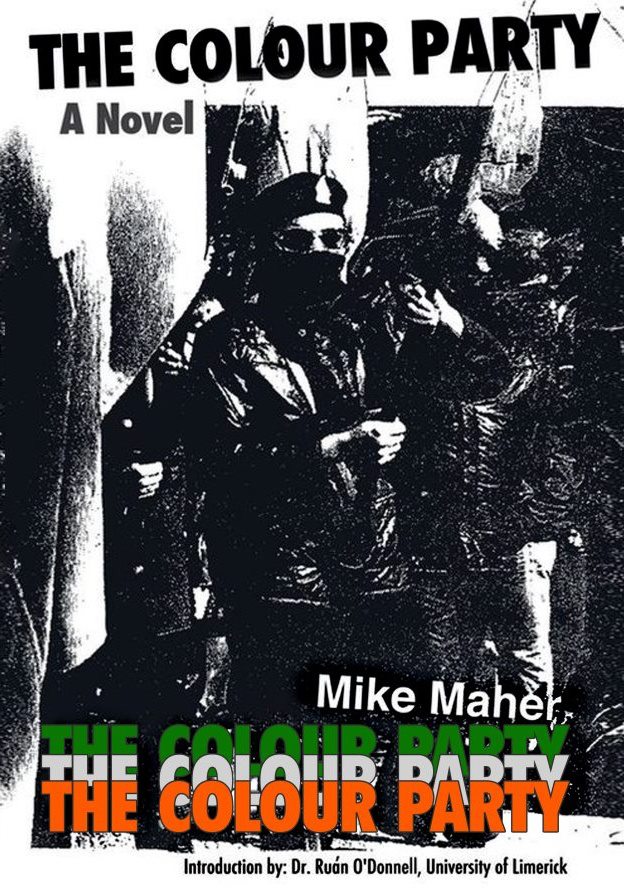
My first book, The Colour Party – A Novel, is not limited to one genre.  It’s an autobiographical novel set mostly in Dublin and New Orleans a few years ago.  It has the Northern Irish war as a backdrop.  And it shows an average young American who goes there planning to write a book but ends up being drawn into the conflict.  Nick Marr, the protagonist, also travels back to America on some risky business.  The bulk of the story is taken from real life.

2. What motivated you to become an indie writer?

I always dabbled in writing.  One reason I quit college and traveled around getting involved in things I saw was to have something to write about!  But the war that I thought would last five years tops dragged on much longer.  By that time I lost interest in commercial writing.  I just wanted to write a sort of memoir for my family.  But Amazon’s CreateSpace seemed too good to pass up.  Since self-publishing last August I’ve gotten positive feedback.  So I decided to try reaching out to more readers.

3. Have you been traditionally published?  Why or why not?

No, I have not been published before.  Some parts of my story were too controversial.  So I never was ready to go public, and didn’t have the time anyway.

4. How have you liked self-publishing so far?

My experience with self-publishing has been quite positive.

Continue reading

Leon Puissegur

Action/adventure writer Leon Puissegur is the author of The Oil Man whose absence of an agent motivated him to try self-publishing instead.  Read about Leon’s experience with social media marketing and the drawbacks of self-publishing.

1. Pretend for a moment I’m a reader looking for my next book.  Pitch me your book in five to ten sentences.

Wow!  How about them oil prices!  Check this out, a new book about oil and greed!  This book explores some very possible ideas and it is now fiction, but so was Jules Vern’s trip to the moon and the United States did that!  This book explores possibilities with gun fights, chases, and all the action/adventure one would like!

2. What motivated you to become an indie writer?

I just love to write, it makes me feel good to know that maybe some of my fiction would one day be true and with my other book, it makes me glad to be able to place the truth out there for people to explore when they look back on history.

3. Have you been traditionally published?  Why or why not?

I have tried to get published by the big houses only to be turned down numerous times.  I never had an agent and most big houses want an agent to discuss the sales of any new book.

4. How have you liked self-publishing so far?

It is kind of troubling since it is hard to really “push” the sales of our books.  On the other hand, I know what is being sold and where they are being sold.

Continue reading

Alan Dawe

Alan Dawe’s book, The God Franchise, was a finalist in a New Zealand book competition, and he’s been busy marketing it ever since.  Though new to self-publishing he’s already learned a lot – and shares some here.

1. Tell me briefly about your book – what is it about and what motivated you to write it?

The God Franchise is literally a theory of everything.  I have always believed that everything in existence must be able to be explained in a cohesive way, so the idea of writing such a book was very attractive.

After an earlier stretch of writing in 2003, and a seven year break while I studied a number of healing modalities, I began again on a specific book in February 2010. After six months of work on the book, I realized that The God Franchise needed to be written first.  So I started again, employing some of the previous material, and focusing on the overall foundation of the spiritual and life truths I had gleaned over the past 50 years.  There were many parts of the book where I did not know where I was heading or what I needed to write, so reading what I had written became an interesting learning process for me too.  Often, I would say to myself, “So that’s how it works!”  I can honestly and humbly say that a lot of the work was inspired from beyond what I consciously was aware of before I started.

The God Franchise is about God, the universe and why things are as they are.  It is about you and me, and the purpose of our lives.  It is about our Higher Selves and our Lesser Selves (The Ego).  The book shines the light of a new perspective on the beliefs that we have carried from the past, and I have presented them in a way which aims to reconcile the major beliefs held around the world.

2. How have your sales been?

At this point I honestly don’t know as the book is only a month old.  Having said that, I have had an extremely positive response from personal sales, and from bookshops in Auckland (NZ) that have picked up the book.  I feel that as people become aware of the book, they will buy it.  There is something in it for everybody, and something really huge.

3. Your book did very well in a writing competition recently. Tell me more about that.

Yes, the book was a finalist (4 out of 57 entries) in the Ashton Wylie Trust Unpublished Manuscript Award 2011.  I had only completed it a few days before the deadline and it was proofread by a friend.  I have since had it professionally proofread and copyedited, designed by a book designer, and have restructured Part One.  The end result is stunning, and I will enter it in the Published Book part of the contest this year, with the intention of winning the top award!  The Award is prestigious and is specifically in the Mind-Body-Spirit genre and offers one of the highest prizes in the country for a book award, $10,000.

Continue reading

Paul West

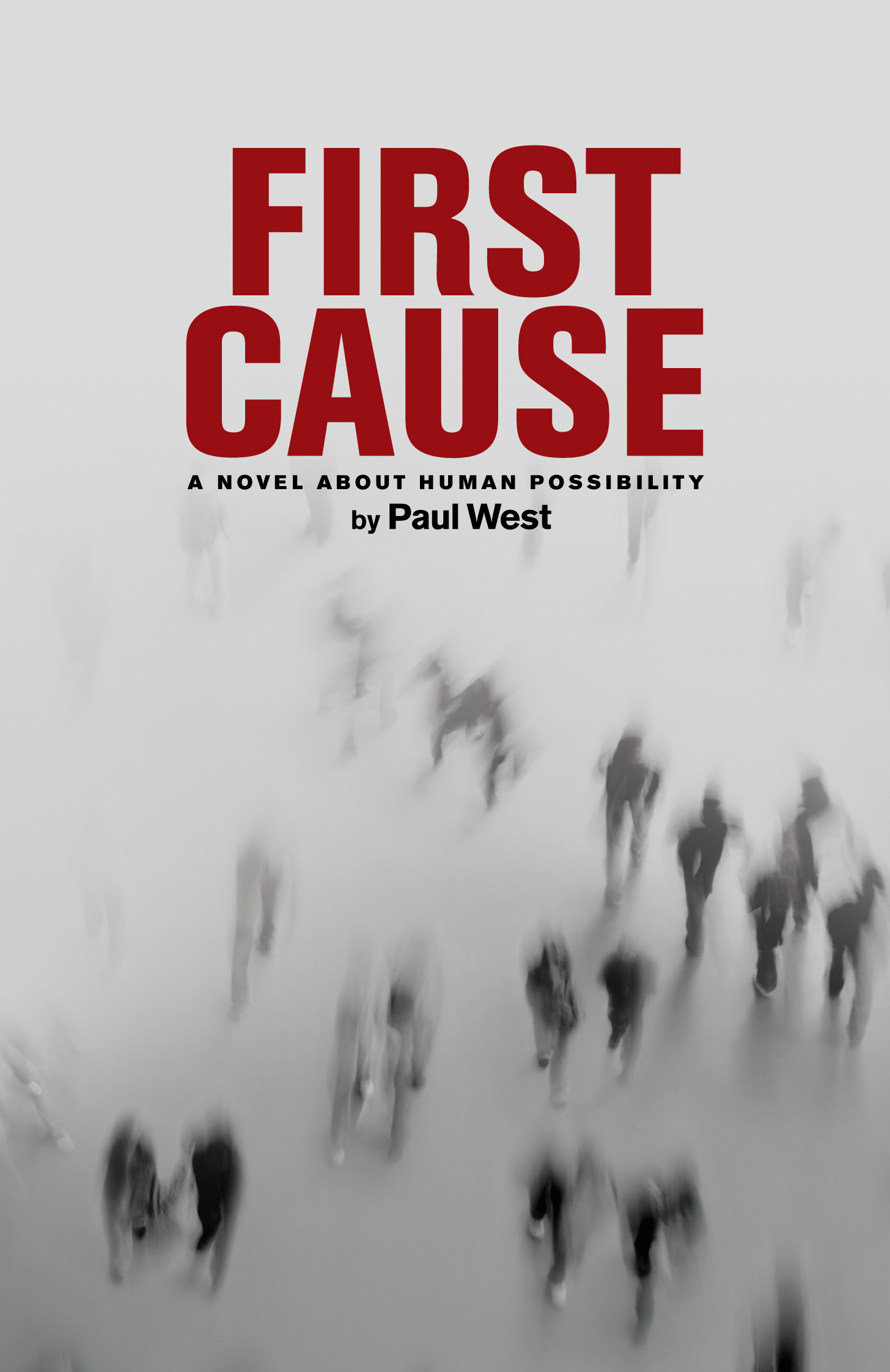
Paul West saw the self-publishing revolution coming in the 1990s as music was increasingly becoming digital.  He discusses his book, First Cause, and the numerous marketing methods he’s used to reach his audience.

1. Pretend for a moment I’m a reader looking for my next book.  Pitch me your book in five to ten sentences.

Journalist Adam Grey has just woken up in the hospital, a week after the world was thrown into chaos by a battery of explosions.  A woman named Angela, whom he recently met, might have something to do with the attacks.  As the truth emerges, it will challenge their conventional assumptions about what it means to be human.

First Cause: A Novel About Human Possibility is a thematically driven speculative thriller with a strong female protagonist.  It appeals to a broad range of readers, including history buffs and sci fi fans.

2. What motivated you to become an indie writer?

Back in the 90s, when I first had the idea of actually trying to publish somewhere down the line, I noticed what was happening in the music industry; I had the feeling the publishing industry would begin to go in a similar direction and I looked into the ways that that might happen.  I had a decent social network in place, so I set things up by building a mailing list while I was working on the book; I sent out excerpts and occasional updates, and I threw a ‘completion party’ when I wrote the last word on the last page – before all of the post edits, though.  I was just celebrating the fact that the story was complete!  I celebrated with friends, family, acquaintances, and all the people who’d provided critical feedback and moral support during the writing process. I took a year away from it, just to decompress – then I began the editing process, my own A-Z edit, and then some fantastic editing done by people with great minds and sharp eyes.

3. How have you liked self-publishing so far?

I’m glad I did it!  Partly because I’ve sidestepped the machine politics of the ‘big six’, but also because I feel real ownership over my product.  I have to say, though, it’s a lot of work.

Continue reading

Cindy Sprigg

Cindy Sprigg writes in the horror and science fiction genres and chose self-publishing because of the free time it afforded her.  Read how it’s worked for her so far.

1. Pretend for a moment I’m a reader looking for my next book.  Pitch me one of your books in five to ten sentences.

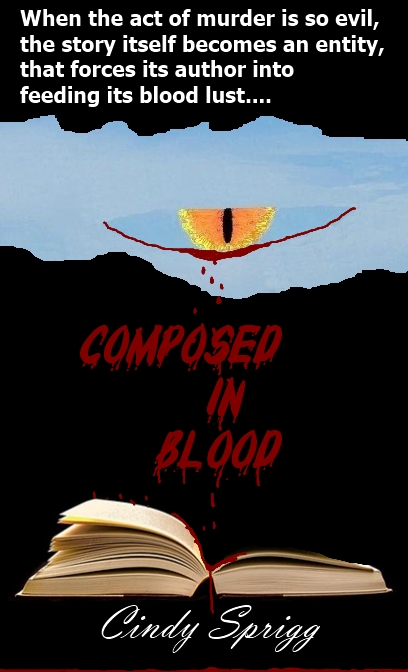
I would recommend reading my novel “Composed in Blood”.  It is a horror/dark fantasy story that includes suspense, murder, mayhem and romance.  There are several intertwining plot lines that twist and turn until the final climax, which catches most readers by surprise.  Reader reviews have been very positive.  If you like a story with plenty of action and graphic violence this one is for you.

2. What motivated you to become an indie writer?

I got fatigued spending more time sending out query letters than I spent writing.

3. Have you been traditionally published?  Why or why not?

I have no idea, really.  Agents seem to have specific types of stories they can sell, and if you don’t fit that profile, it seems you go direct to the slushpile.

4. How have you liked self-publishing so far?

It’s a fair amount of work, but you can see the results of your labor.  I think most people would prefer to be traditionally published and concentrate on writing, but this is an acceptable alternative that allows people to read my stories.

Continue reading

Robert Szeles

Robert Szeles wears many hats, including music producer, graphic designer – and, of course, author.  Robert discusses the hard work that goes into self-publishing and offers bountiful advice for the new writer just starting out.

1. Pretend for a moment I’m a reader looking for my next book.  Pitch me your book in five to ten sentences.

When a monogamous guy and a polyamorous gal are brought together by two of the least respected gods of Los Angeles, Love and Romance, they find themselves on the bumpy five-lane freeway to love, contending with a vengeful ex-girlfriend, a dominatrix boss, an irresistible TV star, an egomaniacal TV producer, Hollywood backstabbing, and the greatest obstacles of all: themselves!  A sexy romantic comedy set in Los Angeles, where even gods are only as good as their last gig.

2. What motivated you to become an indie writer?

The state of the publishing industry is in tumult and I thought I had a better chance at publishing myself.  Then if I have some success, I can always approach the major industry later with a successful track record, if that seems worth doing.

3. Have you been traditionally published?  Why or why not?

I have had a couple short stories published.  I haven’t pursued traditional publishing beyond that for the above reasons.

4. How have you liked self-publishing so far?

Liked?  It’s hard.  I imagine any kind of publishing is hard.  There are things that are wonderful, like the freedom and creative control, and there are things that are terrible, like the long work hours, lack of budget and lack of support from a company and its resources.  I can’t say I’ve liked it.  I like being a writer and author.  The publishing part is necessary if I want to be read, which I do.  But some of it is fun, like creating the book covers, which I do myself because I’m a professional graphic designer.  And my book trailer turned out fabulously, but it was two months of purgatory.

Continue reading

Tanya Allan

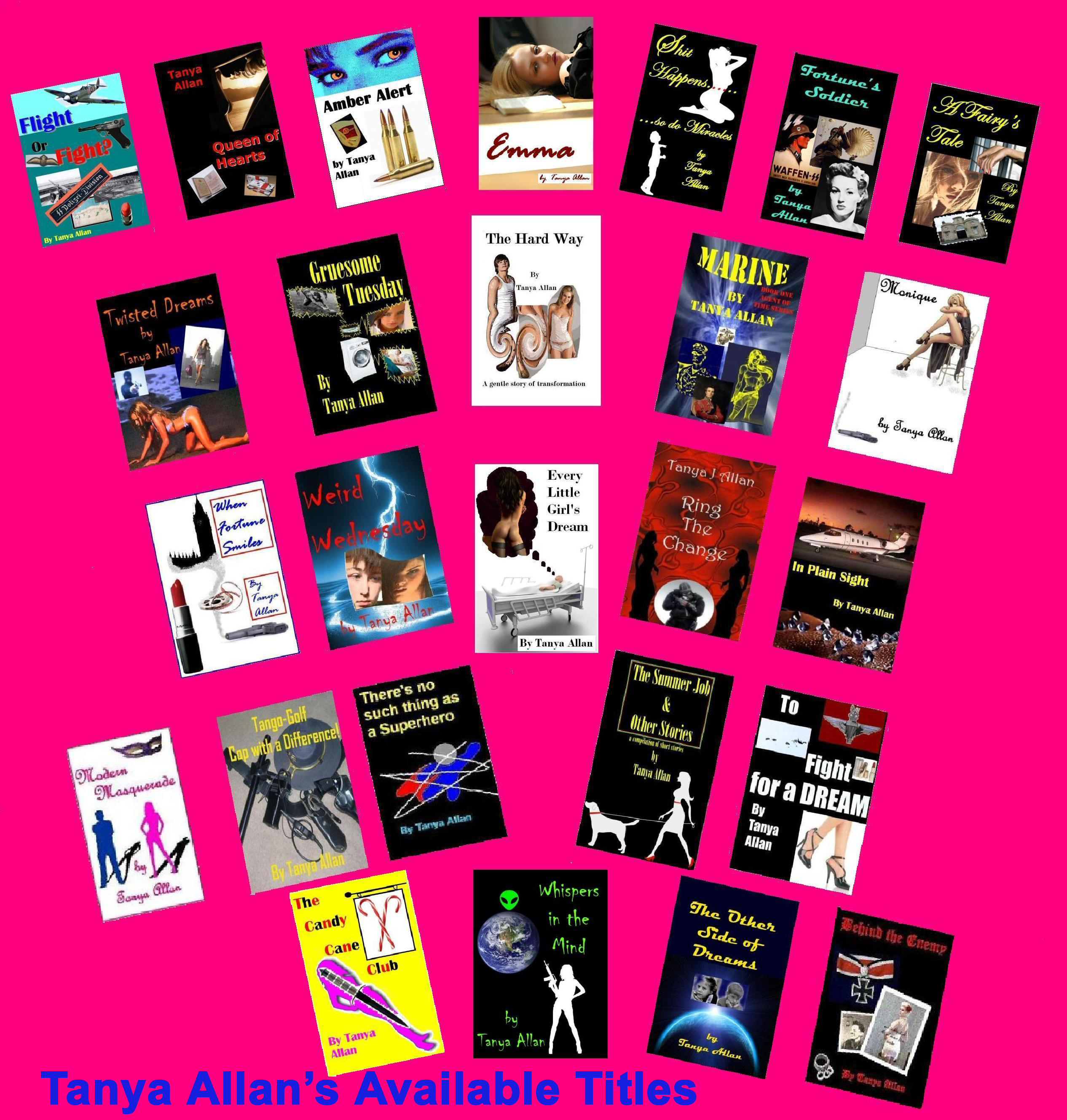
Tanya Allan writes in a variety of genres and has worked for many years cultivating a web presence. She talks about the various websites she uses and which methods she’s avoided.

1. Pretend for a moment I’m a reader looking for my next book.  Pitch me one of your books in five to ten sentences.

To Fight for a Dream: Meet James Allan, a captain in the Parachute Regiment with experience in Northern Ireland and the Falklands Conflict, as he embarks on the most terrifying mission of his life…to become Jane Allan at the age of twenty-eight.

Follow his life through a series of flashbacks, through his schooling and military career, up to the moment he attempts to win over his bigot of a father.

The join Jane as her life begins to go right, after three decades of being wrong, but still an emotional roller-coaster nonetheless.

2. What motivated you to become an indie writer?

I write fiction across several genres: romance, war, science fiction, police investigation thrillers, espionage; however, but much of my work deals with individuals living out their lives with the added burden of coping with some form of transgender issue, so established publishers are reluctant to take a risk in such a marginalized sub-genre.

3. Have you been traditionally published?  Why or why not?

No, see 2. above.

4. How have you liked self-publishing so far?

Fine.  I started posting my work on free sites in 1998 and received positive feedback. There appeared to be a market, so I looked at the most cost-effective and simplest system for publishing.

Continue reading

Frank Biasi

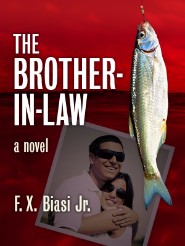
Frank Biasi became a novelist following a successful business career.  On February 23, his novel, The Brother-in-law, advanced to the next round in Amazon’s 2012 Breakthrough Novel contest.  Frank discusses his three-phased marketing approach and how pricing figured in to it.

1. Pretend for a moment I’m a reader looking for my next book.  Pitch me your book in five to ten sentences.

Just days before the catastrophic events of 9-11, and after months of meticulous plotting, a disguised Bart LaRocca inflicts vengeance on his brother-in-law, the powerful and unscrupulous Mafia boss, Al (aka Little Nicky) Nicosia.  Bart then vanishes without a trace.

The Brother-in-law is a fictional, suspense-filled, forty year saga of an Italian-American couple and their son, whose lives are caught up and shattered by their insidious family association with the New York Mob.

2. What motivated you to become an Indie writer?

I believed I had an entertaining story but was frustrated by not being able to find an agent interested in getting it before an audience.

3. Have you been traditionally published?

This is my first attempt a putting out a commercial product.  As I said, I have been unable to find a literary agent willing to pitch my work.

4. How have you liked self-publishing so far?

The whole experience of writing and publishing has been the most rewarding thing I have done since I retired from my business career.  Perhaps that is because it was never one of my goals or objectives, nor did anyone have expectations that F.X. Biasi Jr. would be a published novelist.

Continue reading

Diane Rapp

Mystery writer Diane Rapp gave up on writing after a traditional publisher with which she had a deal went bankrupt.  But she found her way to self-publishing and explains why she’s happy she did.

1. Pretend for a moment I’m a reader looking for my next book.  Pitch me one of your books.

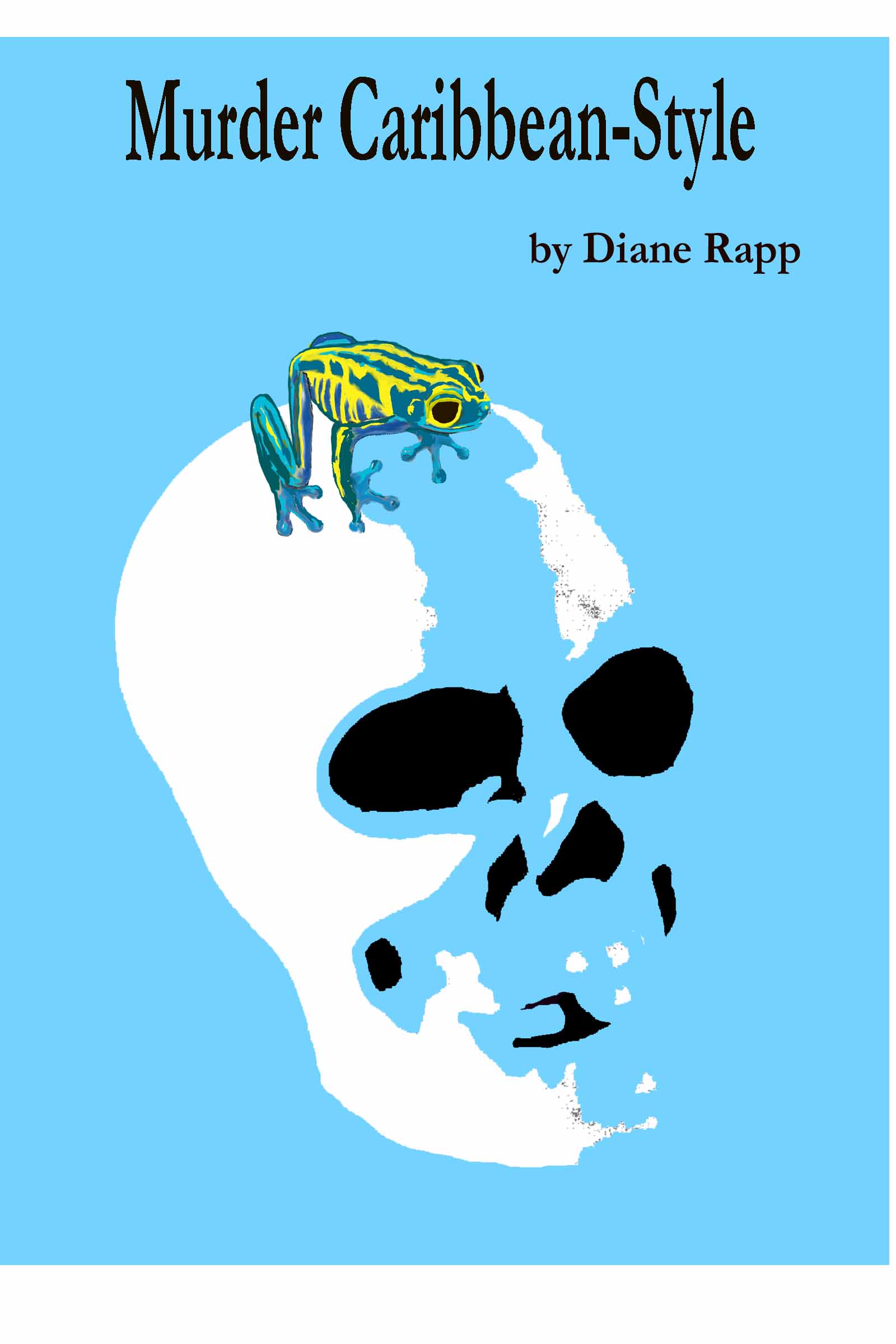
When Kayla Sanders accepts a free Caribbean cruise aboard the Aurora, she gets sucked into a modern-day mutiny culminating in the murder of her ex-lover, Patrick MacIntyre.  Plunging into a frenzied investigation to discover the killer before police arrest her friends, Kayla bumps into Steven Young every time she uncovers a clue and they soon join forces to unravel the mystery.  Can Kayla trust him enough to fall in love again?  Like a tightrope walker balancing between passion and peril, Kayla risks her life to unearth the truth behind Patrick’s death and free herself from the past.

2. What motivated you to become an indie writer?

I spent thirty years in business for myself, selling real estate, owning a retail store, and doing freelance advertising work.  When I finished my first novel, it drove me crazy to have “agents” take my work and never inform me about their progress.  As a real estate agent I knew that half the job was keeping your client informed.  Now as an indie writer I count on myself to work hard.  If I need better results I work harder.  If I go on vacation, my laptop travels.  It’s a wonderful age we live in.

3. Have you been traditionally published?  Why or why not?

I published a travel guide to the Caribbean (co-authored with my daughter) and we did three updated editions.  When I signed a contract with a publisher on my mystery novel Murder Caribbean-Style, I got so excited.  The publisher went bankrupt and returned the rights to me.  I gave up writing until my husband found an article about becoming an indie publisher.  It “kindled” my hope and I worked hard to launch four e-books on Amazon.  Sales are increasing every month and I get a higher percent of sales than with traditional publishing.

Continue reading