Mike Maher

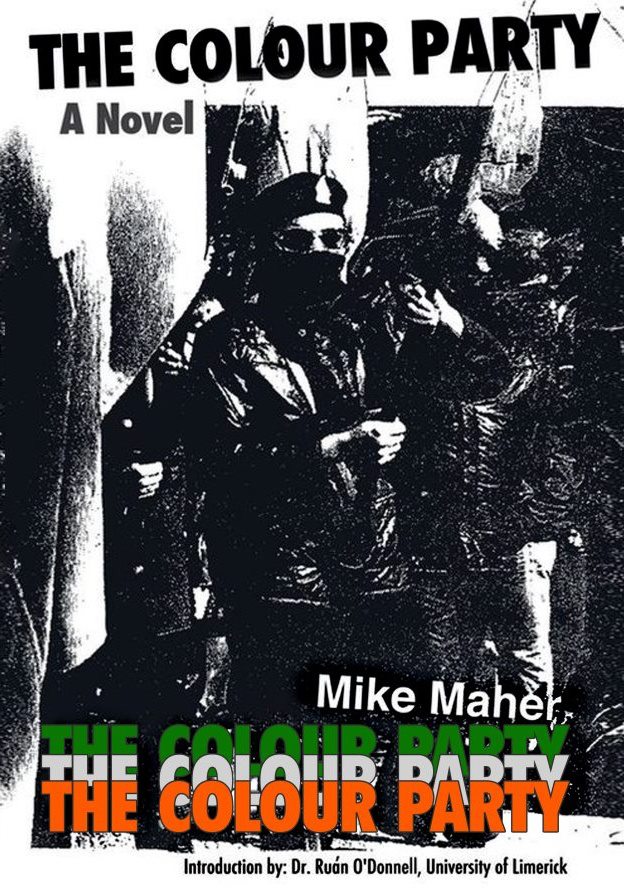
Mike Maher crafts fiction from his own real life experiences with The Colour Party – A Novel, about a young Irish-American political activist.  Mike discusses why the self-publishing route was a much better fit for his book.

1. Pretend for a moment I’m a reader looking for my next book.  Pitch me your book in five to ten sentences.

My first book, The Colour Party – A Novel, is not limited to one genre.  It’s an autobiographical novel set mostly in Dublin and New Orleans a few years ago.  It has the Northern Irish war as a backdrop.  And it shows an average young American who goes there planning to write a book but ends up being drawn into the conflict.  Nick Marr, the protagonist, also travels back to America on some risky business.  The bulk of the story is taken from real life.

2. What motivated you to become an indie writer?

I always dabbled in writing.  One reason I quit college and traveled around getting involved in things I saw was to have something to write about!  But the war that I thought would last five years tops dragged on much longer.  By that time I lost interest in commercial writing.  I just wanted to write a sort of memoir for my family.  But Amazon’s CreateSpace seemed too good to pass up.  Since self-publishing last August I’ve gotten positive feedback.  So I decided to try reaching out to more readers.

3. Have you been traditionally published?  Why or why not?

No, I have not been published before.  Some parts of my story were too controversial.  So I never was ready to go public, and didn’t have the time anyway.

4. How have you liked self-publishing so far?

My experience with self-publishing has been quite positive.
Continue reading

Leon Puissegur

Action/adventure writer Leon Puissegur is the author of The Oil Man whose absence of an agent motivated him to try self-publishing instead.  Read about Leon’s experience with social media marketing and the drawbacks of self-publishing.

1. Pretend for a moment I’m a reader looking for my next book.  Pitch me your book in five to ten sentences.

Wow!  How about them oil prices!  Check this out, a new book about oil and greed!  This book explores some very possible ideas and it is now fiction, but so was Jules Vern’s trip to the moon and the United States did that!  This book explores possibilities with gun fights, chases, and all the action/adventure one would like!

2. What motivated you to become an indie writer?

I just love to write, it makes me feel good to know that maybe some of my fiction would one day be true and with my other book, it makes me glad to be able to place the truth out there for people to explore when they look back on history.

3. Have you been traditionally published?  Why or why not?

I have tried to get published by the big houses only to be turned down numerous times.  I never had an agent and most big houses want an agent to discuss the sales of any new book.

4. How have you liked self-publishing so far?

It is kind of troubling since it is hard to really “push” the sales of our books.  On the other hand, I know what is being sold and where they are being sold.

Continue reading

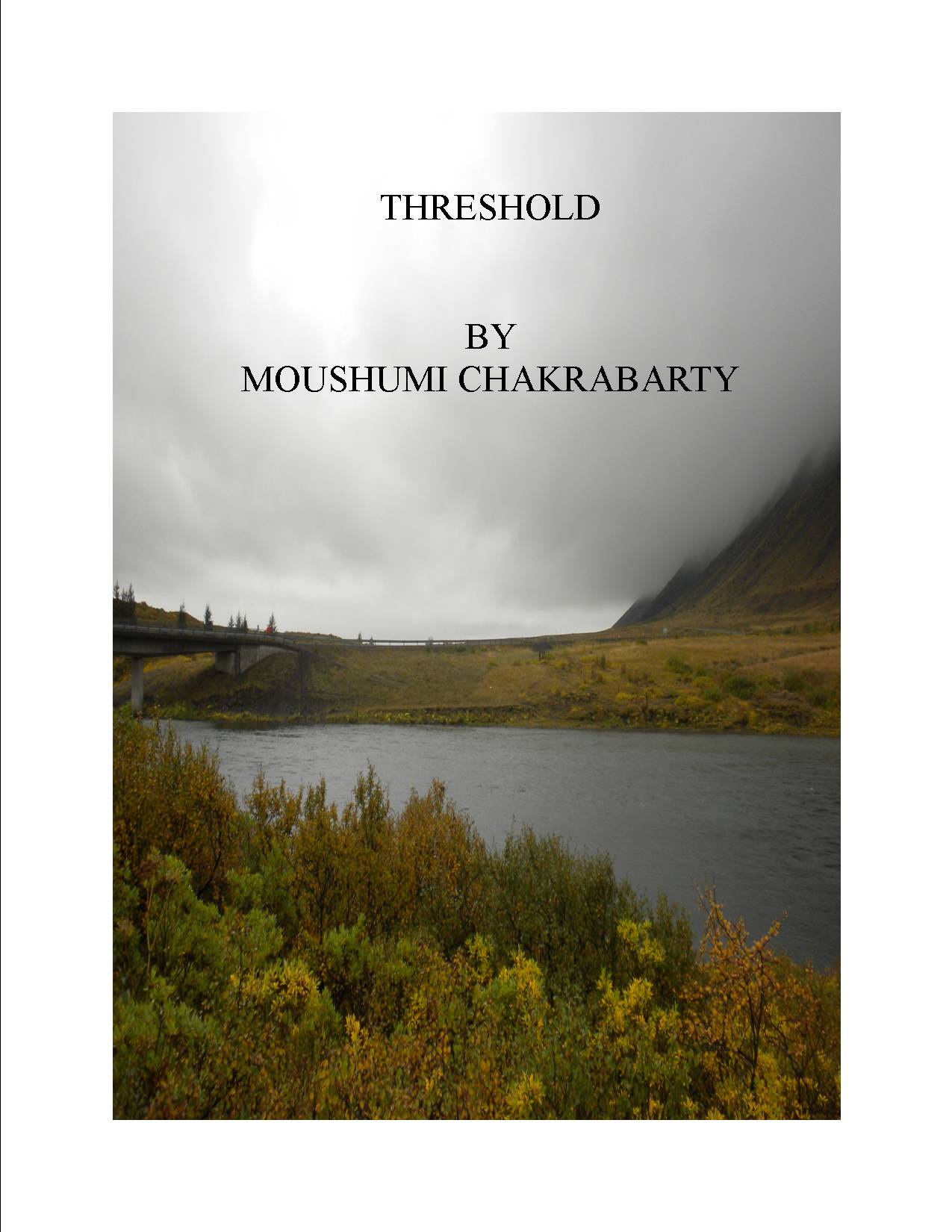
Moushumi Chakrabarty

Moushumi Chakrabarty is a short story writer who is working hard to build a web presence.  Read about her use of free book promotions and why she feels it’s the best marketing method she’s used.

1. Pretend for a moment I’m a reader looking for my next book.  Pitch me one of your books in five to ten sentences.

You love stories, right?  It’s great that we met.  Try my e-book, Threshold.  It’s a collection of six stories about people and how they navigate through life.  Meet some of the protagonists – a child aged 12, a woman whose daughter is missing, a man trapped in a marriage thinking of the unthinkable, a childless woman, another embarking on a journey of self discovery.  Echoes of their predicaments resound in your life, too.  Try it!

2. What motivated you to become an indie writer?

I have been writing for a long time, but found it increasingly time-consuming to convince a publisher to take me on for a new project.  I decided to try going indie since I see it is the way of the future.  What I basically want is feedback, and the idea that my stories are actually being read instead of languishing in a file on my computer provided a strong impetus.

3. Have you been traditionally published?  Why or why not?

Yes, I have been traditionally published.  My two books are non fiction – my subject is the women’s movement in Canada and its main players.  They are called, Fighting for women’s rights – The extraordinary adventures of Anna Leonowens and Champions of women’s rights – Leading Canadian women and their struggles for social justice.  Personally I feel fiction has a greater chance of success in the indie publishing world.  But it’s early yet, so we’ll see.

Continue reading

Alan Dawe

Alan Dawe’s book, The God Franchise, was a finalist in a New Zealand book competition, and he’s been busy marketing it ever since.  Though new to self-publishing he’s already learned a lot – and shares some here.

1. Tell me briefly about your book – what is it about and what motivated you to write it?

The God Franchise is literally a theory of everything.  I have always believed that everything in existence must be able to be explained in a cohesive way, so the idea of writing such a book was very attractive.

After an earlier stretch of writing in 2003, and a seven year break while I studied a number of healing modalities, I began again on a specific book in February 2010. After six months of work on the book, I realized that The God Franchise needed to be written first.  So I started again, employing some of the previous material, and focusing on the overall foundation of the spiritual and life truths I had gleaned over the past 50 years.  There were many parts of the book where I did not know where I was heading or what I needed to write, so reading what I had written became an interesting learning process for me too.  Often, I would say to myself, “So that’s how it works!”  I can honestly and humbly say that a lot of the work was inspired from beyond what I consciously was aware of before I started.

The God Franchise is about God, the universe and why things are as they are.  It is about you and me, and the purpose of our lives.  It is about our Higher Selves and our Lesser Selves (The Ego).  The book shines the light of a new perspective on the beliefs that we have carried from the past, and I have presented them in a way which aims to reconcile the major beliefs held around the world.

2. How have your sales been?

At this point I honestly don’t know as the book is only a month old.  Having said that, I have had an extremely positive response from personal sales, and from bookshops in Auckland (NZ) that have picked up the book.  I feel that as people become aware of the book, they will buy it.  There is something in it for everybody, and something really huge.

3. Your book did very well in a writing competition recently. Tell me more about that.

Yes, the book was a finalist (4 out of 57 entries) in the Ashton Wylie Trust Unpublished Manuscript Award 2011.  I had only completed it a few days before the deadline and it was proofread by a friend.  I have since had it professionally proofread and copyedited, designed by a book designer, and have restructured Part One.  The end result is stunning, and I will enter it in the Published Book part of the contest this year, with the intention of winning the top award!  The Award is prestigious and is specifically in the Mind-Body-Spirit genre and offers one of the highest prizes in the country for a book award, $10,000.

Continue reading

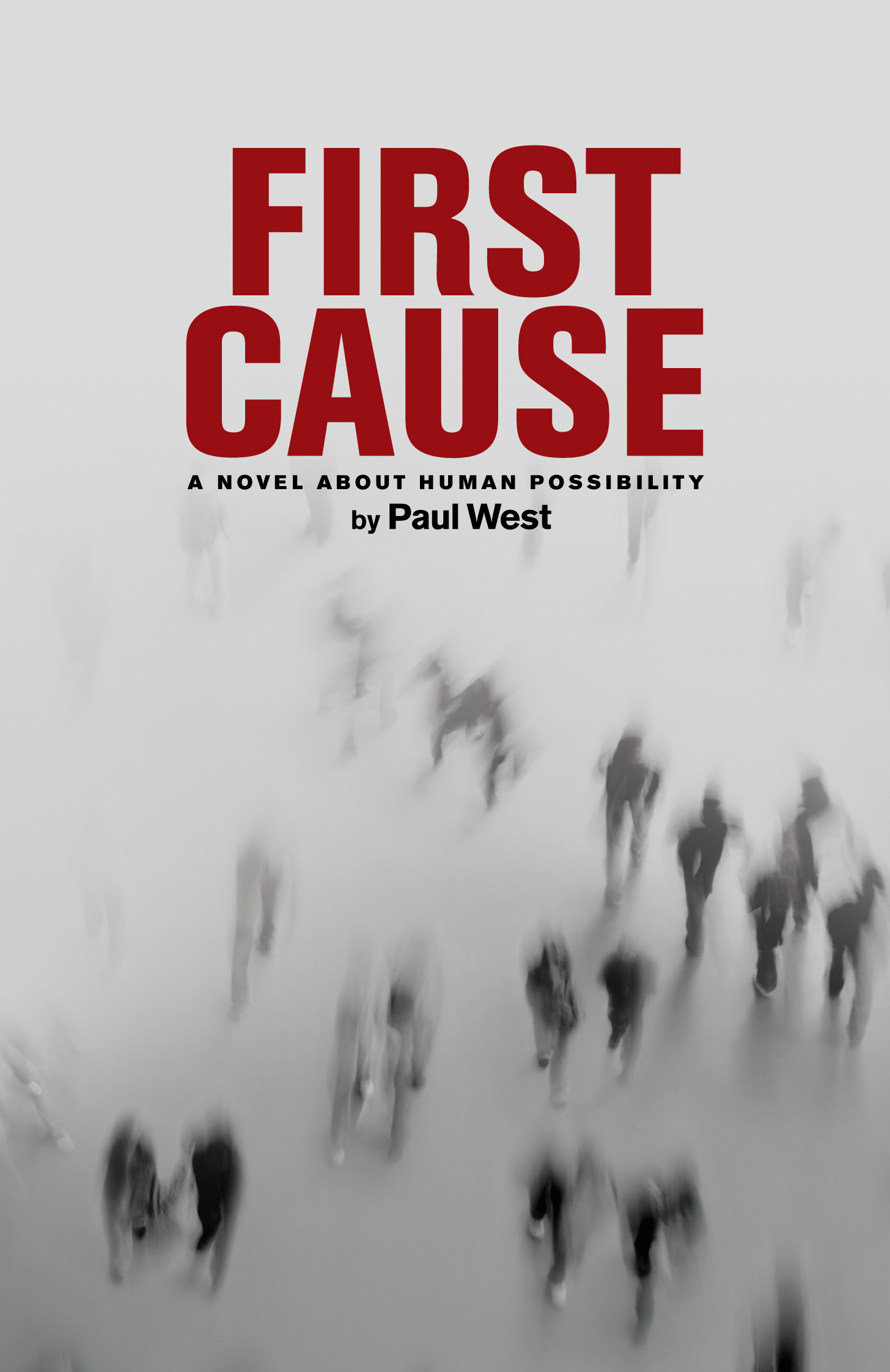
Paul West

Paul West saw the self-publishing revolution coming in the 1990s as music was increasingly becoming digital.  He discusses his book, First Cause, and the numerous marketing methods he’s used to reach his audience.

1. Pretend for a moment I’m a reader looking for my next book.  Pitch me your book in five to ten sentences.

Journalist Adam Grey has just woken up in the hospital, a week after the world was thrown into chaos by a battery of explosions.  A woman named Angela, whom he recently met, might have something to do with the attacks.  As the truth emerges, it will challenge their conventional assumptions about what it means to be human.

First Cause: A Novel About Human Possibility is a thematically driven speculative thriller with a strong female protagonist.  It appeals to a broad range of readers, including history buffs and sci fi fans.

2. What motivated you to become an indie writer?

Back in the 90s, when I first had the idea of actually trying to publish somewhere down the line, I noticed what was happening in the music industry; I had the feeling the publishing industry would begin to go in a similar direction and I looked into the ways that that might happen.  I had a decent social network in place, so I set things up by building a mailing list while I was working on the book; I sent out excerpts and occasional updates, and I threw a ‘completion party’ when I wrote the last word on the last page – before all of the post edits, though.  I was just celebrating the fact that the story was complete!  I celebrated with friends, family, acquaintances, and all the people who’d provided critical feedback and moral support during the writing process. I took a year away from it, just to decompress – then I began the editing process, my own A-Z edit, and then some fantastic editing done by people with great minds and sharp eyes.

3. How have you liked self-publishing so far?

I’m glad I did it!  Partly because I’ve sidestepped the machine politics of the ‘big six’, but also because I feel real ownership over my product.  I have to say, though, it’s a lot of work.

Continue reading

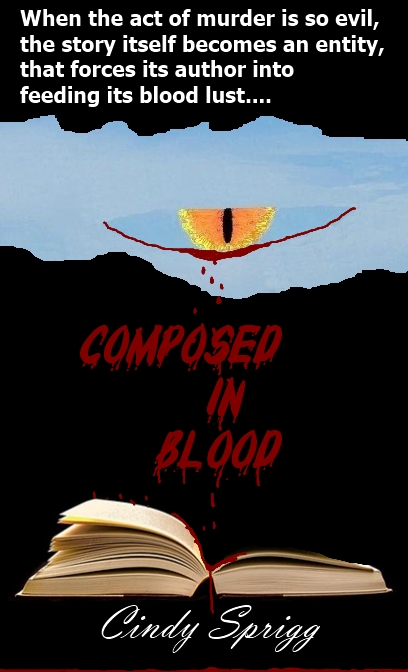
Cindy Sprigg

Cindy Sprigg writes in the horror and science fiction genres and chose self-publishing because of the free time it afforded her.  Read how it’s worked for her so far.

1. Pretend for a moment I’m a reader looking for my next book.  Pitch me one of your books in five to ten sentences.

I would recommend reading my novel “Composed in Blood”.  It is a horror/dark fantasy story that includes suspense, murder, mayhem and romance.  There are several intertwining plot lines that twist and turn until the final climax, which catches most readers by surprise.  Reader reviews have been very positive.  If you like a story with plenty of action and graphic violence this one is for you.

2. What motivated you to become an indie writer?

I got fatigued spending more time sending out query letters than I spent writing.

3. Have you been traditionally published?  Why or why not?

I have no idea, really.  Agents seem to have specific types of stories they can sell, and if you don’t fit that profile, it seems you go direct to the slushpile.

4. How have you liked self-publishing so far?

It’s a fair amount of work, but you can see the results of your labor.  I think most people would prefer to be traditionally published and concentrate on writing, but this is an acceptable alternative that allows people to read my stories.

Continue reading

Robert Szeles

Robert Szeles wears many hats, including music producer, graphic designer – and, of course, author.  Robert discusses the hard work that goes into self-publishing and offers bountiful advice for the new writer just starting out.

1. Pretend for a moment I’m a reader looking for my next book.  Pitch me your book in five to ten sentences.

When a monogamous guy and a polyamorous gal are brought together by two of the least respected gods of Los Angeles, Love and Romance, they find themselves on the bumpy five-lane freeway to love, contending with a vengeful ex-girlfriend, a dominatrix boss, an irresistible TV star, an egomaniacal TV producer, Hollywood backstabbing, and the greatest obstacles of all: themselves!  A sexy romantic comedy set in Los Angeles, where even gods are only as good as their last gig.

2. What motivated you to become an indie writer?

The state of the publishing industry is in tumult and I thought I had a better chance at publishing myself.  Then if I have some success, I can always approach the major industry later with a successful track record, if that seems worth doing.

3. Have you been traditionally published?  Why or why not?

I have had a couple short stories published.  I haven’t pursued traditional publishing beyond that for the above reasons.

4. How have you liked self-publishing so far?

Liked?  It’s hard.  I imagine any kind of publishing is hard.  There are things that are wonderful, like the freedom and creative control, and there are things that are terrible, like the long work hours, lack of budget and lack of support from a company and its resources.  I can’t say I’ve liked it.  I like being a writer and author.  The publishing part is necessary if I want to be read, which I do.  But some of it is fun, like creating the book covers, which I do myself because I’m a professional graphic designer.  And my book trailer turned out fabulously, but it was two months of purgatory.

Continue reading

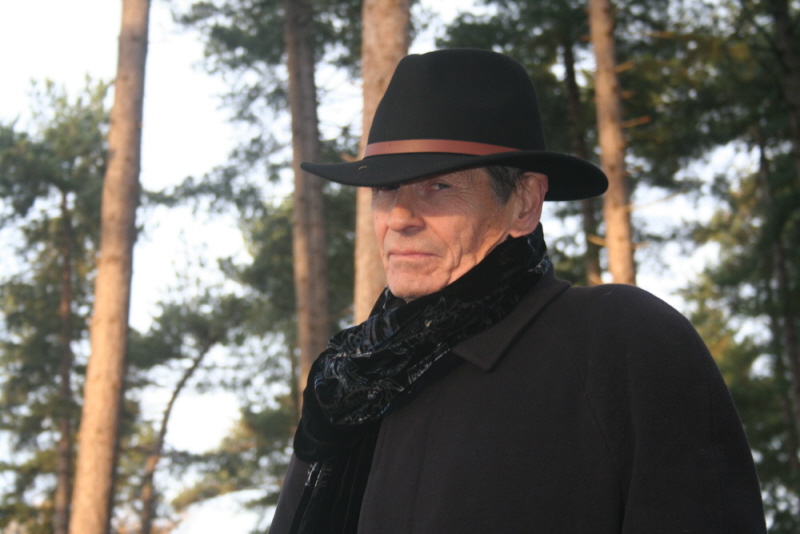
Nigel Lesmoir-Gordon

Nigel Lesmoir-Gordon made his career in television and film before turning to writing.  Find out about the promotional methods he’s using to get the word out about his book.

1. Pretend for a moment I’m a reader looking for my next book.  Pitch me your book in five to ten sentences.

John Smith, an unsuccessful and unfortunately-named novelist, has his computer stolen and the only copy of his unsold latest novel goes with it – prompting zero sympathy from the police. Despite fear of his guru’s disapproval, John mysteriously acquires two handguns, a lot of cash and a crack team to reclaim his work. Together with beautiful mathematics genius Susie Bellavista; Biro, a Hungarian-born ex-RAF Regiment sergeant; and one-time activist and fellow-failed writer March Klossowski, John explores the power and wonder of mathematics in an attempt to solve an imponderable, real life mystery. Where will this whirlwind adventure lead? Back up your files and enjoy the ride!

2. What motivated you to become an indie writer?

When I left school back in the day I was writing poetry and short stories and getting them published, but not earning enough to live on. I went to film school because I saw that this was a way to be an artist and get paid! I became a successful film-maker. I made TV documentaries, TV and cinema commercials, pop promos, short films and one feature. After a while I began to think it was about time I wrote the novel, which I had not done way back in the day. One morning I woke up with an idea, which I thought was brilliant and I was motivated enough to get started. Once I was up and running I was unstoppable.

3. Have you been traditionally published?  Why or why not?

Yes. Two popular science books: Introducing Fractals with Icon Books and The Colours of Infinity with Springer.

Continue reading

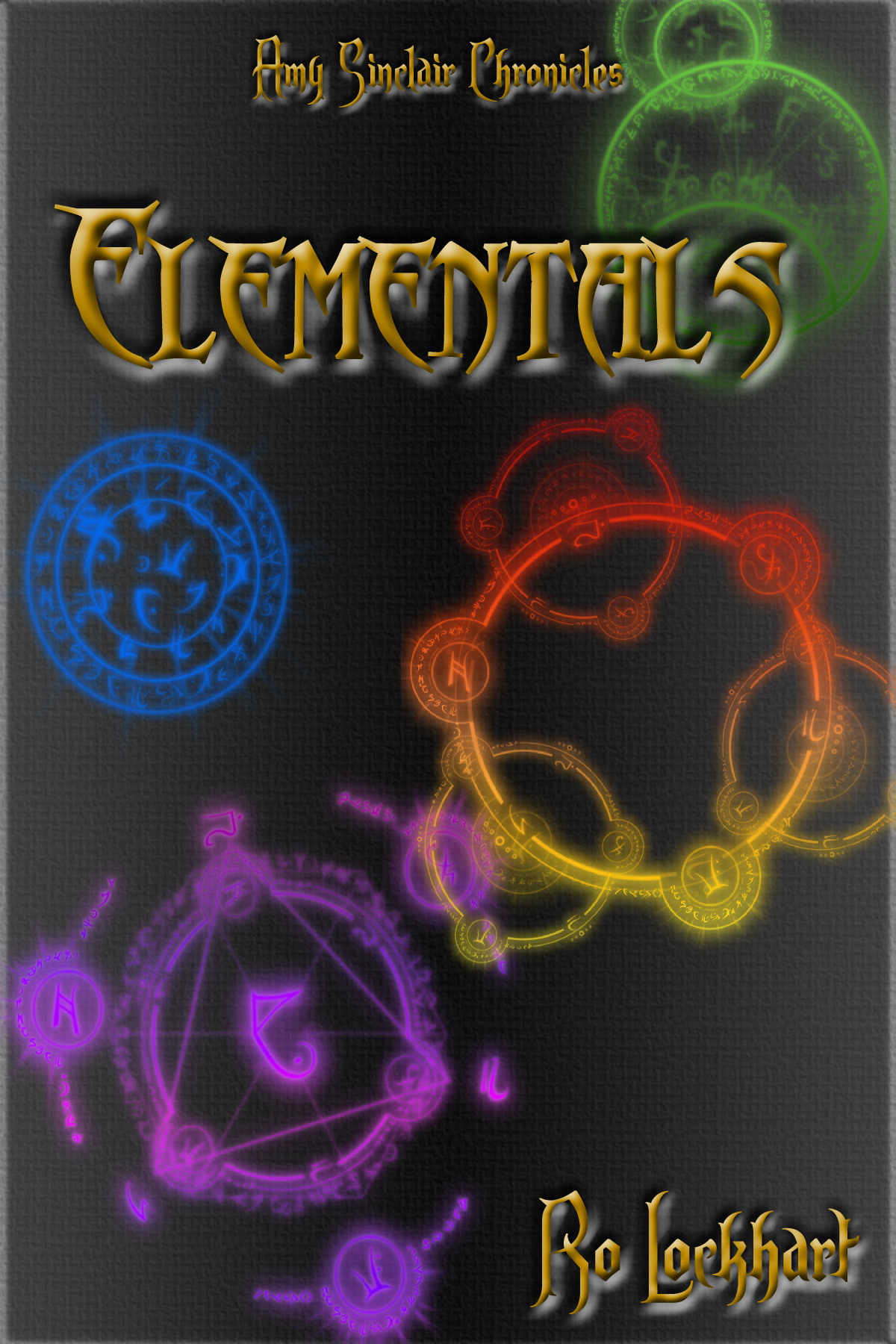
Ro Lockhart

Ro Lockhart is a juvenile fiction/fantasy writer who just released her book, Elementals, in February on the Amazon Kindle.  Check out her list of marketing techniques below.

1. Pretend for a moment I’m a reader looking for my next book.  Pitch me your book in five to ten sentences.

My pitch: “Amy and her father decide to take a camping trip in the great outdoors to reconnect, only to find that their trip takes on some uninvited guests: an exotic but fierce elf, a Druid witch bent on revenge, and a whole slew of frightening elementals.

Between the prophetic dreams Amy’s having and Unna, a banished Druid with evil intentions and her minions on Amy’s tail, it’s a race against time to battle elementals, traverse and treachorous terrain, solve puzzles and find the courage neither of them thought they had.”

2. What motivated you to become an indie writer?

I’ve been writing since elementary school and I always had the grand notion that I would grow up and write a few books, they would fly off of shelves and I would be rich and famous. Well, that didn’t happen.

It took not only my own rejections from agents and publishers to help me see the light but other authors as well.

So many authors with phenomenal work were getting rejected left and right. But then I heard about the success of a few indie authors and realized that this is a new day where, if you really want to make it and have ambition (as well as a good story), you can be the weaver of your own destiny.

3. Have you been traditionally published?  Why or why not?

I have not been published traditionally because after the first few rejections, I found that if I went at it on my own I would do better than doing nothing at all.

Continue reading

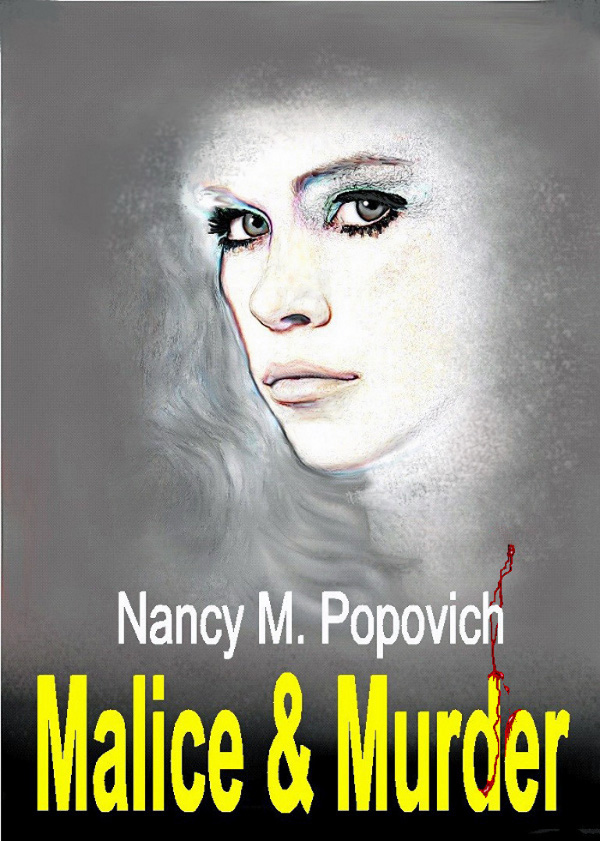
Nancy Popovich

Nancy Popovich’s latest book, Malice & Murder, developed from a spy series she wrote and is currently the focus of her marketing and promotion energy.  Read about her methods as well as the learning curve she experienced as an indie writer.

1. Pretend for a moment I’m a reader looking for my next book.  Pitch me your series in five to ten sentences.

If you enjoy reading the adventures of ordinary people caught in extraordinary circumstances, continuing characters that grow and evolve, and the escapades of a group of agents from various intelligence agencies, you will love the four books in the Spy Series (Spies & Lies, SecretsBacklash and The Puppet). The action moves them back and forth from Canada to England, and Paris.  Family ties take on new dimensions as our intrepid group reacts to the situations and revelations thrust upon them.  The climax of the last book in the series, The Puppet, is the springboard for my latest book, Malice & Murder.

2. What motivated you to become an indie writer?

See #3 below.

3. Have you been traditionally published? Why or why not?

I have not been traditionally published, and it was not for lack of trying.  I could paper a room with rejection slips – and not all agents and publishers answered my queries. After a length of time, I stopped beating my head against that particular brick wall. My stories sat on my computer for almost ten years.

In answer to #2, when I discovered that it was possible to indie publish, I took the plunge, sink or swim.

4. How have you liked self-publishing so far?

I like the control of self-publishing.  But it requires dedication, business sense and hard work.  Make no mistake, the fun part is writing, but self-publishing must be approached in a business-like manner.  A self-published author must do for themselves or hire assistance for all that is done by traditional publishers—professional editing, beta reading, cover design and publicity.

Continue reading