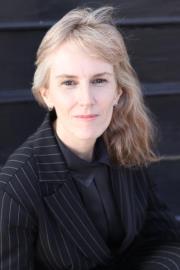
Linda Mitchell

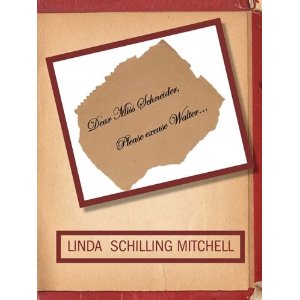
Linda Mitchell brings history to life with her collection of Depression-era notes that give a glimpse into the everyday lives of ordinary Americans. She discusses marketing for her niche genre and offers numerous suggestions for getting your work out there.

1. Pretend for a moment I’m a reader looking for my next book.  Pitch me your book in five to ten sentences.

“Dear Miss Schneider, Please Excuse Walter…”  takes you on a journey using a variety of notes, written during the Great Depression years of 1937-1940, as stepping stones.  It was during those years in Newport, KY, that third grade teacher Miss Schneider began collecting the written excuses the mothers of her students sent in as to why their children were absent from school.

These humble, heartfelt and often humorous notes, which give us a glimpse into the lives of these families, have been cloistered in a scrapbook for over 70 years.  Enjoy, as well, the history of Miss Schneider’s life, as pages of photos and memorabilia guide you through the years.

It was a lifetime ago.  Their story has been waiting to be told.

2. What motivated you to become an indie writer?

My book started out as a personal project to preserve the aged and deteriorating notes in my mother’s scrapbook.  I wanted to create a keepsake for my children and grandchildren.  But as it evolved, I knew that it was becoming something that others would enjoy.  So the “project” actually motivated me to become an indie writer.

3. Have you been traditionally published?  Why or why not?

No. This is my first experience publishing.  I felt my book had a specific and perhaps a limited niche.  And because it was about my family I wanted to have complete control of it.

Continue reading

P.I. Barrington

P.I. Barrington blends sci-fi and romance in a unique and accessible way with her book Isadora DayStar.  Read why she prefers traditional over indie publishing and how she uses reviews in her marketing strategy.

1. Pretend for a moment I’m a reader looking for my next book.  Pitch me your book in five to ten sentences.

When drug-addled assassin Isadora DayStar finally snags a major interplanetary killing job, she thinks it will both support her habit and revise her status as the laughingstock of her profession.  Instead, she embarks on a journey that brings her face to face with her tortured past.

2. What motivated you to become an indie writer?

First, I think I wanted to see what I could do with a novel that didn’t have too much romance and, more importantly, how people would respond to something darker in sci-fi.  Also, I think I wanted more control of what I was writing, how I was promoting it, breaking out of rules of genre and publishing.  I wanted something that both men and women would find interesting rather than staying within the usual boundaries of what women read which is mostly romance.

I wanted to bring women to the idea of reading something outside their comfort zone that was still interesting and engaging to them.  I also desperately wanted to have men read and respond to my novels too.  I thought they would respond positively by the grittiness as opposed to tossing the book thinking “Ugh, romance.”  The first man to review it loved it so much he compared it to Gene Roddenberry.  I wanted to be free enough to write something commercially viable and attractive to both men and women.

3. Have you been traditionally published?  Why or why not?

Both now with Isadora.  I personally prefer traditional publishing for several reasons. First you have editors who are generally excellent and are just as committed to making your work a success.  They double check your work and let you know what needs to be fixed.  I have no problem with that at all.  Second, the responsibility of creating cover art for your novels is not on your shoulders and I was blessed with literally the best cover artist in the world for my first trilogy, Future Imperfect.  Third, psychologically, you have the security of a publisher behind you, regardless of how much they participate or don’t in your promotional efforts.

I first tried a traditional publisher rather than self-published because I wanted the experience of working with one and for the reasons listed above, including to see if I was good enough for someone to accept my work.  I have no complaints about that experience whatsoever.  It taught me so much and I’m so appreciative of that.  It boosted my professionalism and made me take my writing seriously.

4. How have you liked self-publishing so far?

It’s much more work.  As I said, with traditional publishing, you have people who double check everything and help you polish your manuscripts and create your book covers.  With self-publishing, you’re responsible for all that.  It’s more frustrating doing it yourself, especially trying to stay on top of things on your own.  As I said, self-publishing is a lot more work but the freedom you gain with it balances it out for the most part.

5. Tell me about the marketing techniques you’ve used to sell your books. Which ones have been the most successful?

Usually, creating a professional relationship between myself and reviewers works well for me.  I approach them personally and try to be as professional as possible at the first contact.  I make sure to let them know I am appreciative and I also make sure they know that I want as honest a review as possible.  I used to be a newspaper reporter so I still believe in not influencing the press so to speak.  Amazingly, that very first man to review my work was completely unsolicited.  He got word of it via a Facebook remark, picked it up and loved it—I thanked the person who mentioned it and the reviewer as well.

Courtesy goes a long way.  I’m just about to start my very first blog tour this month (April) and I’ve never done one before so I’ll see how that goes—I think it will be pretty positive.

6. Are there any marketing techniques you intentionally avoided or discontinued, and if so, why?

Well, lately I’ve been staying away from big book sites like GoodReads or Shelfari and a lot of group sites.  I’m not good at them and it leads to frustration for me.  Plus I don’t have the time to devote to them as they need; you really can’t take advantage of what they offer unless you participate regularly.  I’m always writing—always.  Plus, I’m not a people person so that makes it more difficult too.

7. If you could do one thing differently in publishing your books, what would it be?

If I’d known people would respond so positively and that you could submit to agents and editors as a debut author, I’d have done that.  I thought you had to have all these writing credentials so I went with publishing first.  But I’ve seen so many agents and editors who have accepted authors with nothing published before that I regret not researching that first of all.

8. What projects are you currently working on?

I must tell you first off that I am very superstitious about talking about things before they happen—comes from years of working in Hollywood!  Let’s see, what can I tell you?  I am working on two sci-fi projects (both with definitely more romance than my previous stuff—it’s a major plot line actually) a mystery, and a sci-fi novella I started years ago.

9. If you could market your brand – not just one particular book, but your overall brand of writing – in one sentence, what would it be?

P.I. Barrington is the brand.  Under that banner there are different genres: sci-fi, commercial, horror shorts on occasion, a little bit of romantic-type stuff.  P.I. Barrington is the brand that I want people to associate with intense writing; I want it to be instantly recognizable as quality work.

10. How can readers learn more about your books?

They’re available on Amazon.com, Smashwords.com, and DesertBreezePublishing.com.  I also have an official website with information at thewordmistresses.com (my sister, Loni Emmert, and I both co-author and write independently).

Blogs: pibarrington.wordpress.com, thewriterlimitsauthors.blogspot.com, and occasionally a column or two for CuriosityQuills.com.
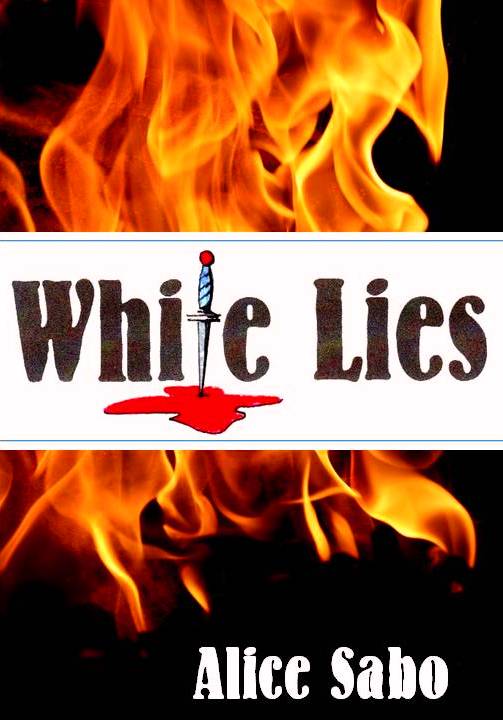
Alice Sabo

Alice Sabo chose self-publishing for the speed and creative control it offers.  Read why she chose the Kindle Select Program and why authors shouldn’t rush to publish.

1. Pretend for a moment I’m a reader looking for my next book.  Pitch me your book in five to ten sentences.

Asher Blaine was an actor with significant star power before destroying his career with drugs. After years of cycling through rehab and relapse, he finally had his epiphany and chose sobriety. While carefully piecing together the ravaged scraps of his life in a quiet suburb of LA he is arrested for murder.  The victim, his ex-business manager, was shot with a re-fitted prop gun from one of his movies.  A coincidence proves his innocence, but subsequent violence casts doubts.  Asher realizes he must mend all his burnt bridges a lot sooner than he’d planned.  When he turns to the people he trusted most, he discovers he must convince them not only of his sobriety, but of his determination to stay that way.

A series of calamities raises the stakes and he uncovers a stunning lie from his past. He must track down a man he thought long dead: a man who’s been planning Asher’s death for years.

2. What motivated you to become an indie writer?

I have always been a do-it-yourself kind of person.  When I started writing seriously, I intended to go the traditional route.  Self-publishing was considered vanity press back then.  But little by little praise of self-publishing crept into the writing advice blogs I frequent.  I was reading a lot of agents’ blogs and it was getting ridiculous trying to sort out what was allowed and how to approach them.  Then you were at their mercy of when they might respond and if they would require rewrites and if they would approach certain publishers.  When I got to the final edit of my mystery novel I started looking into self-publishing an e-book.  I found Smashwords and was impressed with the distribution channels.  I started with an illustrated flash, to learn all the ropes.

3. Have you been traditionally published?  Why or why not?

I had queried about a dozen agents for my first novel, a science fiction doorstop with a cast of a thousand.  They all turned me down and I totally understand why.  It wasn’t ready.  It’s in rewrite now.  When White Lies was ready to go, it just made more sense to do it myself.

Continue reading

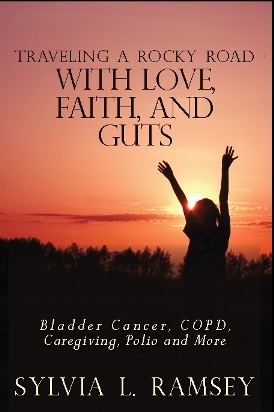
Sylvia Ramsey

Sylvia Ramsey is a 17-year bladder cancer survivor who uses her experience to both shape her writing and advance cancer awareness.  She offers multiple ideas for marketing and compares the indie and traditional routes.

1. Pretend for a moment I’m a reader looking for my next book.  Pitch me one of your books in five to ten sentences.

This one is for the new book, Traveling a Rocky Road With Love, Faith and Guts:

Let me share with you what a couple of reviewers said after reading the book.  The first was Dr. Aman Kay: “Taking the rocky road with Sylvia is a joyful challenge.  It takes the reader through the most common and uncommon hardships, but at the conclusion of this delightful journey, the reader feels more joy and satisfaction: Love, faith, and incredible guts turn the rocky road into an assuring path that all of us so humanly desire.  This book is so uniquely universal in every essential aspect that I enthusiastically recommend it to all readers regardless of their age, gender, and race.”

The second reviewer sent me an email saying, “I just read the book, wow!”

2. What motivated you to become an indie writer?  Have you been traditionally published?  Why or why not?

I am a cancer survivor of 17+ years.  I have been writing for years.  I have had by-lines, feature articles, short stories and poetry published since I was about nine years old.  I was reading at an open mic, and the editor of a small publishing house liked my poetry.  My first book, Pulse Points of a Woman’s World, was thus published.  Because I had been working for several years to establish a foundation for bladder cancer, I was giving all my proceeds from my royalties toward this endeavor.  After a couple of years, the publisher decided to return the publishing rights to me because of what I was doing with my royalties.  That was when I decided to become my own publisher of my books.  The latest book being Traveling a Rocky Road with Love, Faith and Guts.

3. How have you liked self-publishing so far?

It doesn’t seem much different than using a traditional publisher.  Regardless of the route you go, you must still do you own marketing (unless you have lots of money to hire a publicist).  That holds true both ways as well.

Continue reading

Edina Jackson

Edina Jackson is an author and businesswoman who wrote her first children’s novel after being inspired by her newborn son.  She offers a variety of marketing strategies that don’t cost much money.

1. Pretend for a moment I’m a parent looking for a book for my child.  Pitch me your book in five to ten sentences.

Dusty the Ditsy Dog is a fun, vibrant, easy to read book for the under fives.  It does not just tell a story, it has a message behind it.  The message is that if you put your mind to it, you can change the world.  It is a is fun book with a positive message.  Your child will enjoy getting to know Dusty and his friends in the fictional setting of Mistytown.

2. What motivated you to become an indie writer?

Going down the route of forcing your book down a publisher’s throat did not appeal to me.  With e-books, and other book formats, the publishing industry has taken a hit. They are not publishing books like they used to.  I decided to publish my book without the help of a large publishing house because I wanted to retain the authenticity of the story.  I decided to go with a small publishing company called BrightSpark Publishing.  I published in association with BrightSpark and my own company Intrigue Media Group.  I feel like I have more creative control, and I am able to decide how I want my book to be marketed.

3. Have you been traditionally published?  Why or why not?

Like I said, my publishing deal was a collaborative one.  So, it was a combination of indie and traditional.

4. How have you liked self-publishing so far?

So far it has been an interesting experience.

Continue reading

Katie Epstein

Katie Epstein found confidence in indie publishing and has learned the industry quickly.  Read about her experiences with traditional publishers and why self-publishing is a better fit.

1. Pretend for a moment I’m a reader looking for my next book.  Pitch me your book in five to ten sentences.

The Arranged Marriage is a romantic adventure set on the mythical Isle of Centurias.  It follows the story of Princess Rohesia who is fuming when she finds out her father has arranged her to marry the illegitimate son of a neighboring king, revoking the promise that she could choose her own husband.  Upon attempting to flee the island to seek freedom, Rohesia doesn’t expect to be saved by the very man she is running from, Sir Ison Mondar of Dondayas.  As they unite in their marriage, Ison and Rohesia have to find a way to work together to rid the island of a rebel group who is becoming more daring each day in its attacks.  They must learn to take a chance not only on their union, but on each other as the
fate of Centurias rests in their very hands.

2. What motivated you to become an indie writer?

When you have finally put the last edit on your manuscript, there is a need for other people to read your story and share in the character’s experiences.  It can be frustrating waiting for that one letter that will take you to the next level via the traditional route, and indie publishing gives you the opportunity to put yourself out there to dedicated readers who will give you a true critique.

3. Have you been traditionally published?

I have only sent my manuscript off to a dozen publishers, because I put too much of myself into the process and took all rejections personally.  No matter what people tell you about it all being part of becoming published, it can still hit you hard if you let it, and unfortunately I let it.  Through this learning curve I have realized that no one will take you seriously as a writer if you don’t take yourself seriously first, and to do that you have to have confidence in your capability.  Going through the indie publishing route has given me my confidence, so I can try the traditional publishing route again in the future as I learn more about the industry.

Continue reading

Kate O’Mara

When Kate O’Mara realized that the book she was looking for didn’t exist, she decided to write it herself.  Read about her outreach efforts and her upcoming projects.

1. Pretend for a moment I’m a reader looking for my next book.  Pitch me your book in five to ten sentences.

Inspiration: Write Every Day is a motivational book for writers and people who want to write.  Formatted to the calendar, each page/day offers quotes from famous authors, thoughts about writing, affirmation/motivation statements and writing prompts.  The book allows for ample annotation.

2. What motivated you to become an indie writer?

Originally, I just wanted to buy this book.  I searched book stores and then inquired with publishers and was told that there wasn’t anything like it.  They didn’t feel there was an audience.  However, when I spoke with other writers and my mentor, everyone was very excited about the project.

3. Have you been traditionally published?  Why or why not?

I’ve been published in print (magazines and newspapers) and online for many years with a byline and as a ghostwriter.  Some time ago, my first book, Elijah’s Dilemma, was contracted; but within a year the publisher went out of business.  It became a legal mess with regard to the rights.  Since that time, the industry has been downsizing.  My understanding is that it is not likely a traditional publishing house will pick up a writer without some unique quality, i.e. audience, already in place.

4. How have you liked self-publishing so far?

Self-publishing has been wonderful and intense.  There are many skills needed to publish a book.  Thankfully, I have some great friends who helped and supported this project through the process.

Continue reading

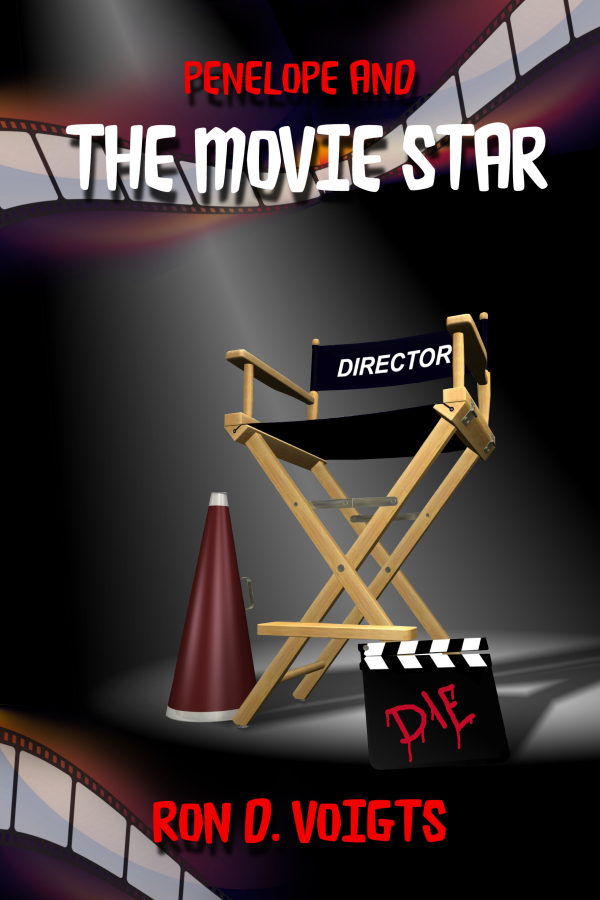
Ron D. Voigts

1. Pretend for a moment I’m a reader looking for my next book.  Pitch me your book in five to ten sentences.

In Penelope and The Movie Star, Marvel Movies comes to Penelope’s school to shoot a motion picture against the backdrop of the old Windorf Hotel that now houses the school.  She sneaks onto the set and watches a scene being filmed. Famous actors Priscilla Young and Clarence Dodd star in the movie and Penelope gets to see them up close.  Regrettably, she also sees a spotlight fall on the director and kill him.  Penelope claims she had her eyes shut when it happened, but the police think she may remember something.  Unfortunately for her, the killer also thinks she may recall something.

A Penelope mystery story (there are two others) can be enjoyed by tweens and adults alike.  The stories are laced with humor while presenting a whodunit that will leave you guessing until the end.

2. What motivated you to become an indie writer?

I had two books with an agent for a number of years.  While she got close calls, she never landed a publisher.  I believed in my work and, by mutual agreement, I withdrew the books.  I have no regrets.  Before, I waited for the big break, wondering if I it would ever come.  As an indie writer, I can hardly wait to publish the next book.

3. Have you been traditionally published?  Why or why not?

I had a few short stories with a literary magazine many years ago. The Penelope mystery series are my first books published.

4. How have you liked self-publishing so far?

It’s great!  Self-publishing is a lot more fun than waiting around for a publisher.  And look at all the people who have self-published and later found a traditional publisher.  The experience gained cannot be matched.

Continue reading

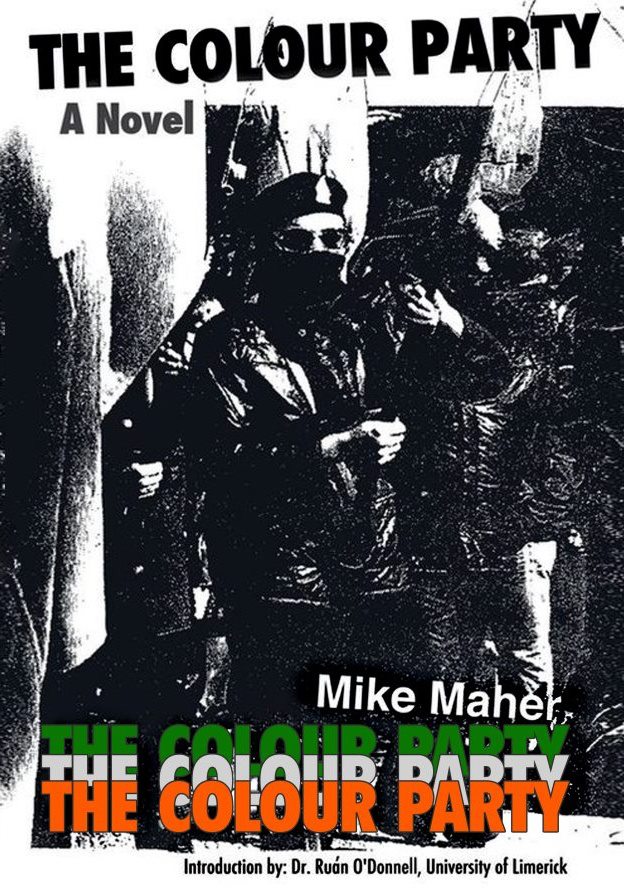
Mike Maher

Mike Maher crafts fiction from his own real life experiences with The Colour Party – A Novel, about a young Irish-American political activist.  Mike discusses why the self-publishing route was a much better fit for his book.

1. Pretend for a moment I’m a reader looking for my next book.  Pitch me your book in five to ten sentences.

My first book, The Colour Party – A Novel, is not limited to one genre.  It’s an autobiographical novel set mostly in Dublin and New Orleans a few years ago.  It has the Northern Irish war as a backdrop.  And it shows an average young American who goes there planning to write a book but ends up being drawn into the conflict.  Nick Marr, the protagonist, also travels back to America on some risky business.  The bulk of the story is taken from real life.

2. What motivated you to become an indie writer?

I always dabbled in writing.  One reason I quit college and traveled around getting involved in things I saw was to have something to write about!  But the war that I thought would last five years tops dragged on much longer.  By that time I lost interest in commercial writing.  I just wanted to write a sort of memoir for my family.  But Amazon’s CreateSpace seemed too good to pass up.  Since self-publishing last August I’ve gotten positive feedback.  So I decided to try reaching out to more readers.

3. Have you been traditionally published?  Why or why not?

No, I have not been published before.  Some parts of my story were too controversial.  So I never was ready to go public, and didn’t have the time anyway.

4. How have you liked self-publishing so far?

My experience with self-publishing has been quite positive.

Continue reading

Leon Puissegur

Action/adventure writer Leon Puissegur is the author of The Oil Man whose absence of an agent motivated him to try self-publishing instead.  Read about Leon’s experience with social media marketing and the drawbacks of self-publishing.

1. Pretend for a moment I’m a reader looking for my next book.  Pitch me your book in five to ten sentences.

Wow!  How about them oil prices!  Check this out, a new book about oil and greed!  This book explores some very possible ideas and it is now fiction, but so was Jules Vern’s trip to the moon and the United States did that!  This book explores possibilities with gun fights, chases, and all the action/adventure one would like!

2. What motivated you to become an indie writer?

I just love to write, it makes me feel good to know that maybe some of my fiction would one day be true and with my other book, it makes me glad to be able to place the truth out there for people to explore when they look back on history.

3. Have you been traditionally published?  Why or why not?

I have tried to get published by the big houses only to be turned down numerous times.  I never had an agent and most big houses want an agent to discuss the sales of any new book.

4. How have you liked self-publishing so far?

It is kind of troubling since it is hard to really “push” the sales of our books.  On the other hand, I know what is being sold and where they are being sold.

Continue reading